7 hr
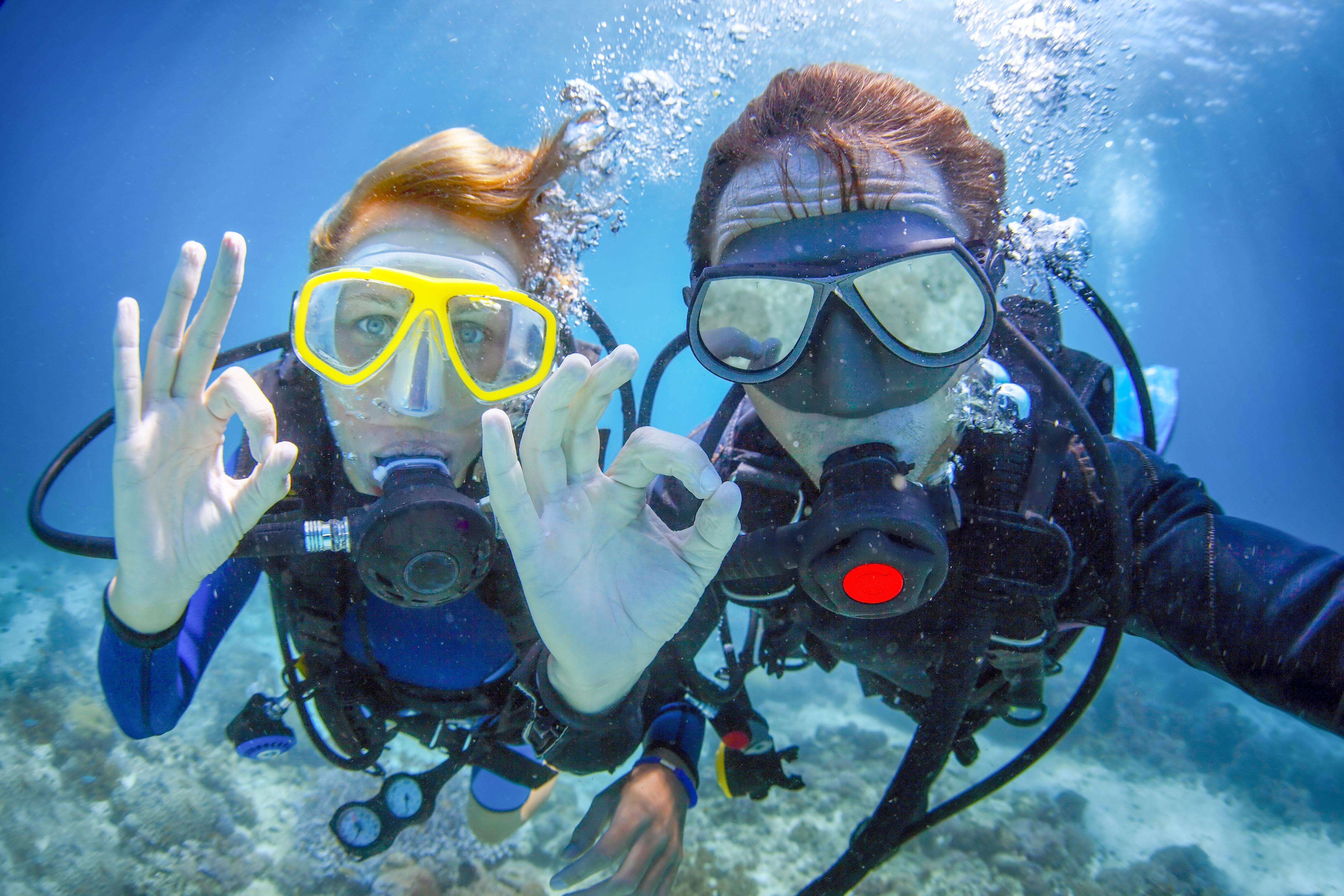
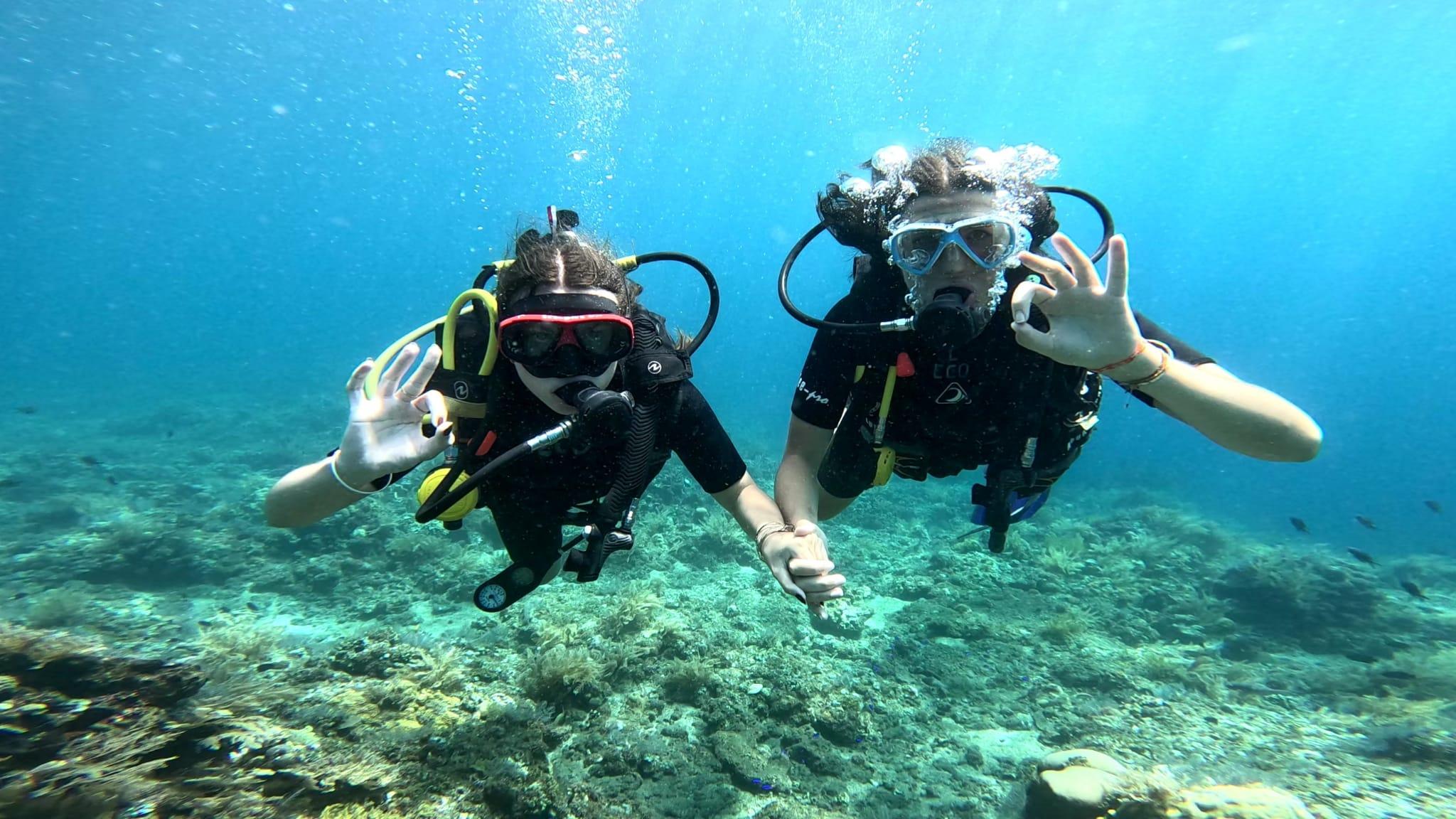
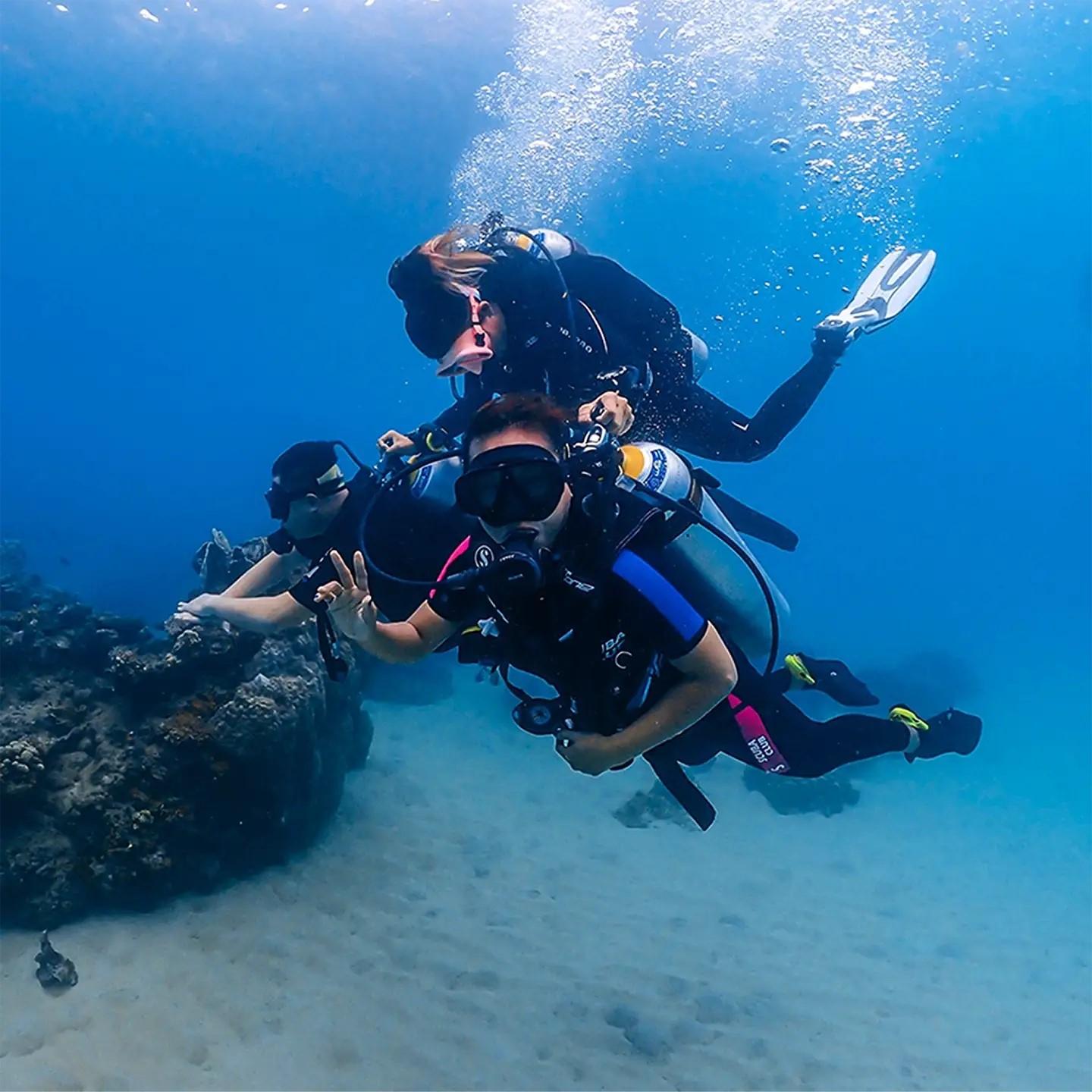
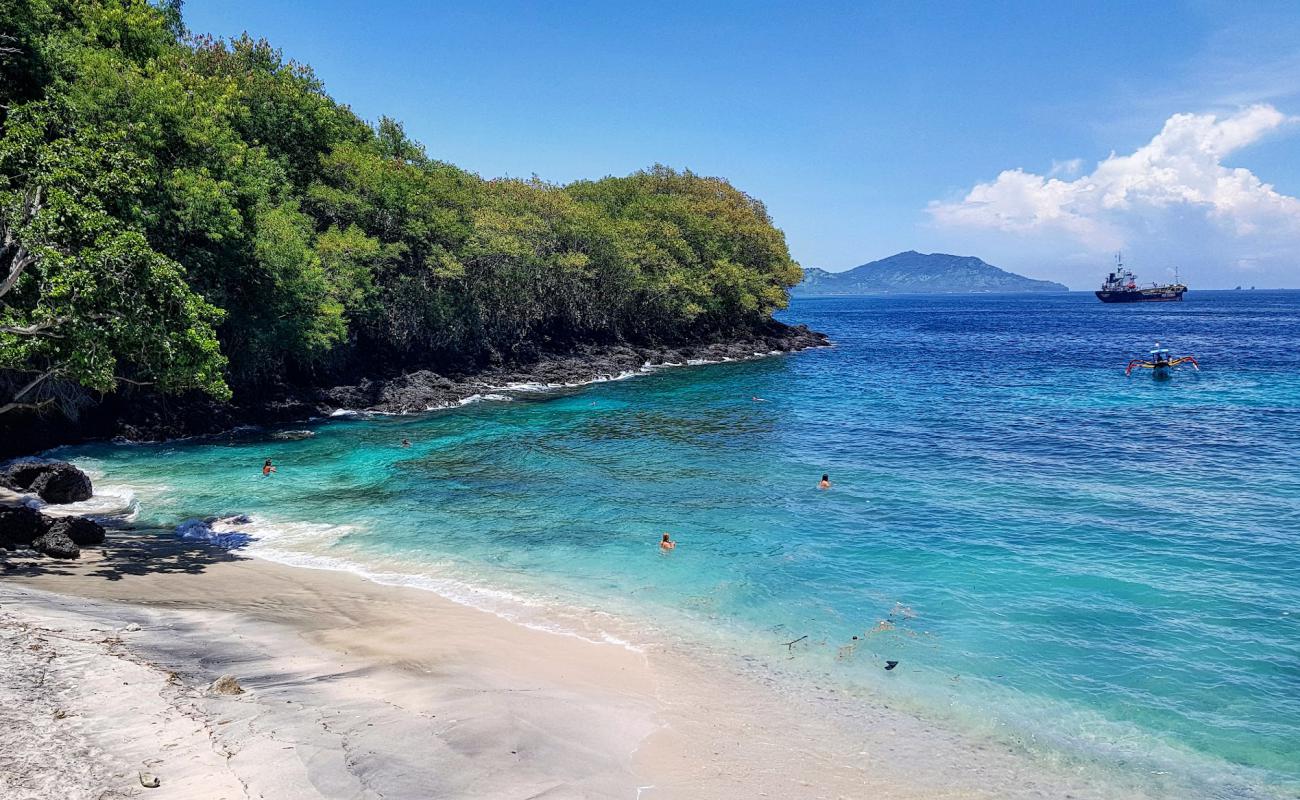
Blue Lagoon Beginner Scuba Dive in Padangbai
- Expert local guide
- Small group
- Skip-the-line access
- Free cancellation
Diving in Bali PADI — Certification Courses & Guided Wreck Dives
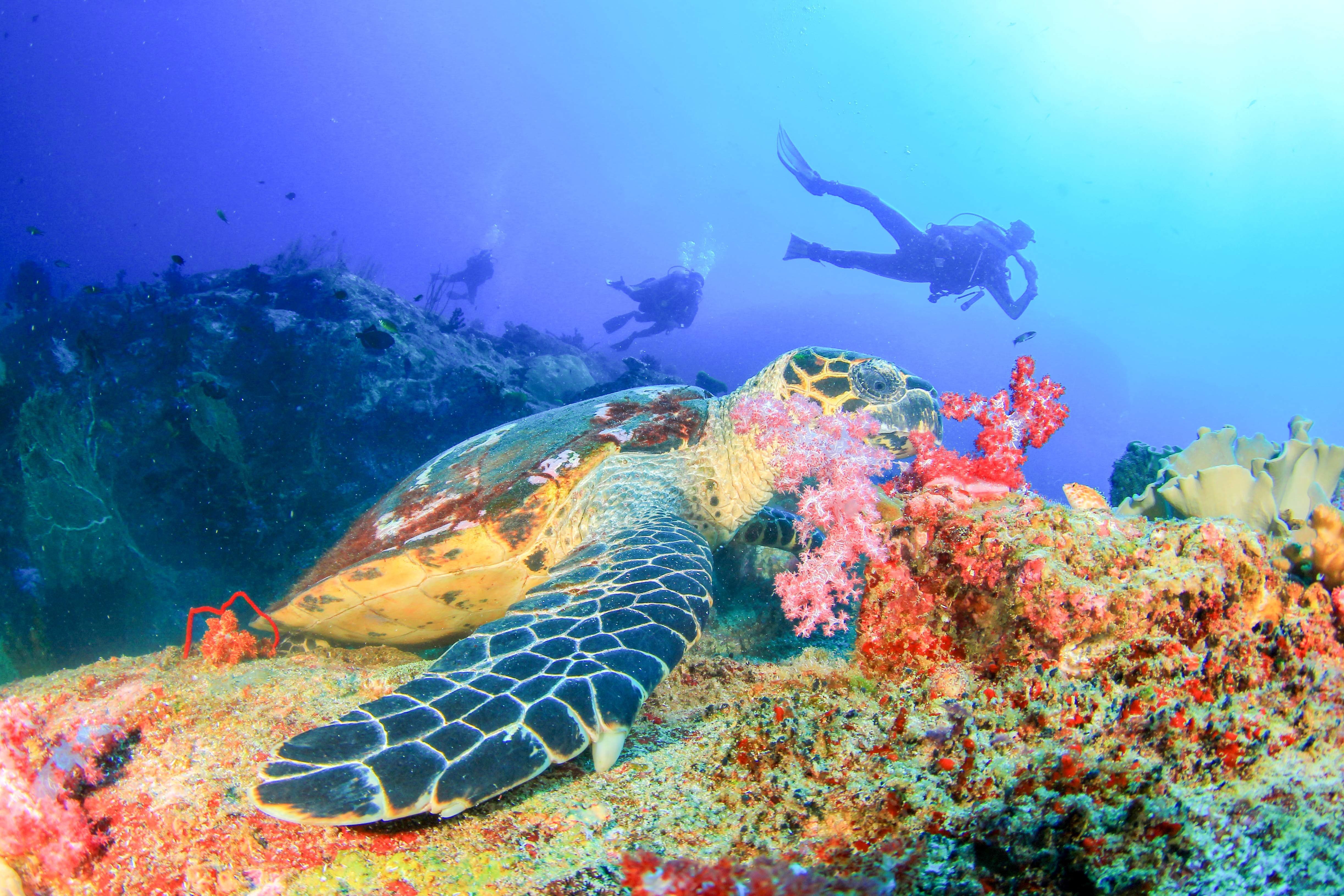
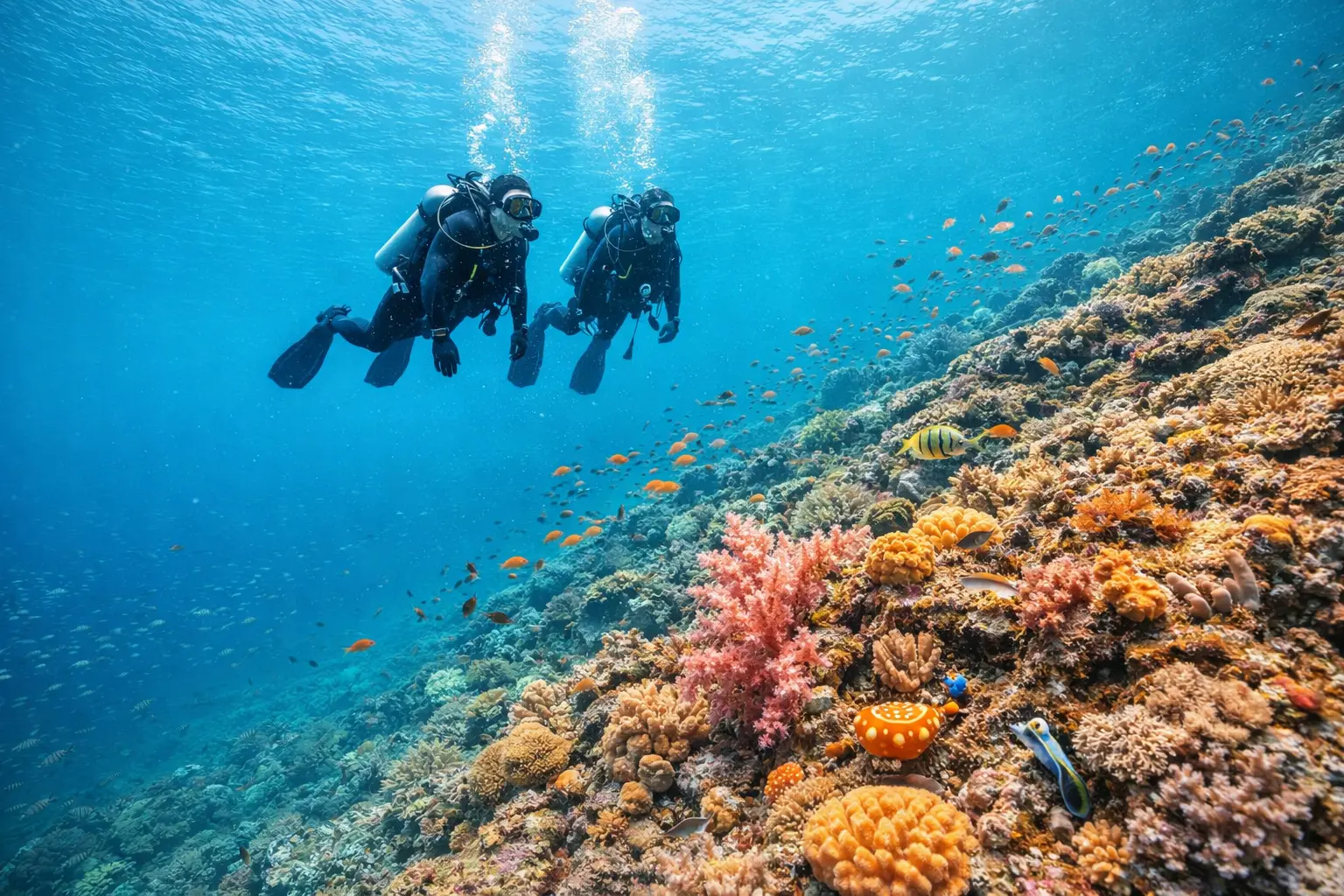
Coral walls at sunrise, wartime shipwrecks at forty feet
Compare fares, pick the fit — all bookings are mobile-voucher and eligible for free cancellation where shown.
7 hr
72 hr
9 hr
When planning your diving in bali padi experience, travelers must coordinate with local operators as there are no direct entry fees for the ocean sites. Exploring these marine environments requires professional certification and equipment rental through authorized dive centers.
| Discover Scuba Diving Entry-level introductory session |
Top pick PADI Open Water Course Full certification program |
|
|---|---|---|
| Program Scope | Introductory pool and shallow ocean dive | Comprehensive theory and open water certification |
| Prerequisites | None required | Medical fitness and basic swimming skills |
| Duration | 1 day | 3 to 4 days |
| Equipment Included | Full scuba gear provided | Full scuba gear provided |
| Best for | First-timers testing underwater breathing | Visitors seeking independent diver status |
| See tickets & prices |
Verdict: Those looking for short-term diving in bali padi tours should choose the introductory session, while those wanting lifelong access to global dive sites should select the PADI Open Water Course.
Worth it for certification seekers and wreck divers
Diving in Bali PADI courses and excursions deliver solid value if you're after structured certification or iconic wreck sites. The 3-day Open Water certification packages start around IDR 6,500,000 and include all gear, instruction, and multiple dives—competitive pricing for PADI standards. Single-dive experiences at Blue Lagoon or Tulamben Bay run IDR 850,000–1,200,000, giving beginners supervised access to coral gardens and the famed USAT Liberty shipwreck without needing prior credentials. Visibility peaks early morning (07:00–10:00), and the calm dry season from April through October offers the most reliable conditions. Certified divers gain lifetime skills and internationally recognized credentials, while intro dives let hesitant swimmers test the waters before committing. The real payoff: Bali's volcanic topography creates dramatic drop-offs, vibrant macro life, and accessible wreck penetration—hard to replicate elsewhere in Southeast Asia at this price point.
Bottom line: If you want recognized credentials or a shipwreck dive without advanced training, diving in bali padi tours justify the cost and time.
They complement each other; most visitors who do both call the certification course the more rewarding long-term investment for underwater exploration. Securing diving in bali padi tickets ensures access to professional training, whereas fun dives focus on immediate sightseeing.
|
Top pick PADI Certification |
Recreational Fun Dives | |
|---|---|---|
| Experience Type | Professional Certification Course | Guided Leisure Activity |
| Time Commitment | 3-4 Days | Half to Full Day |
| Learning Outcome | Global Diving Qualification | None Required |
| Skill Requirement | Basic Swimming Proficiency | Introductory Briefing Only |
| Post-Dive Benefits | Lifetime Access to Dive Sites | Experience Bali Marine Life |
| Diving Access | Independent Underwater Exploration | Supervised Group Tours |
| See tickets & prices |
Verdict: Choose the PADI certification if you plan to travel frequently for underwater excursions, or opt for a diving in bali padi tour if you prefer a low-pressure introduction to the ocean.
Hand-picked experiences loved by thousands of travelers
5 hours
Free Cancellation
Learn essential diving techniques in shallow water, then explore a legendary wartime shipwreck off Bali's coast.
4 hours
Free Cancellation
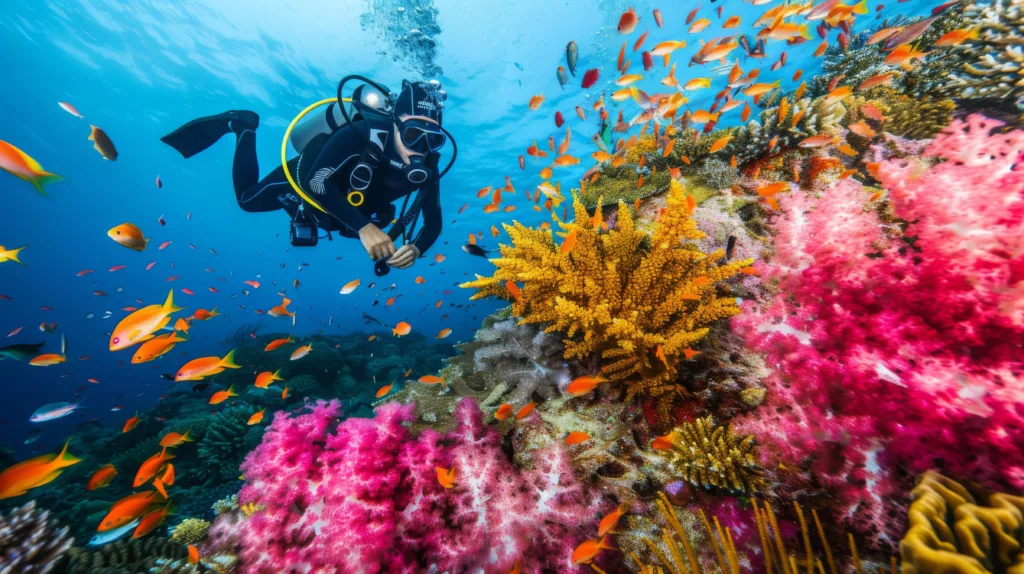
Dive into Bali's underwater world with expert PADI instructors in calm, beginner-friendly waters
8 hours
Free Cancellation
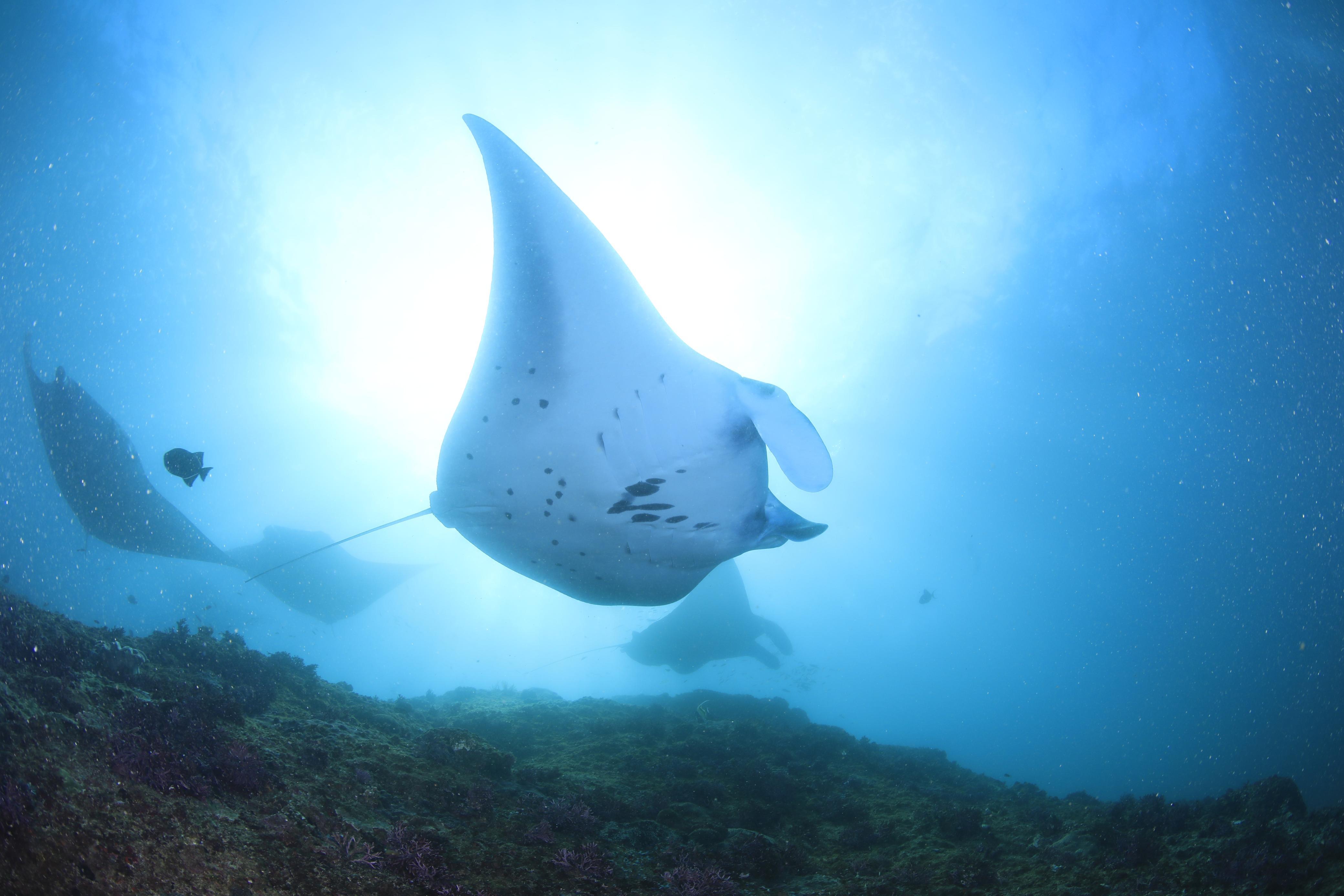
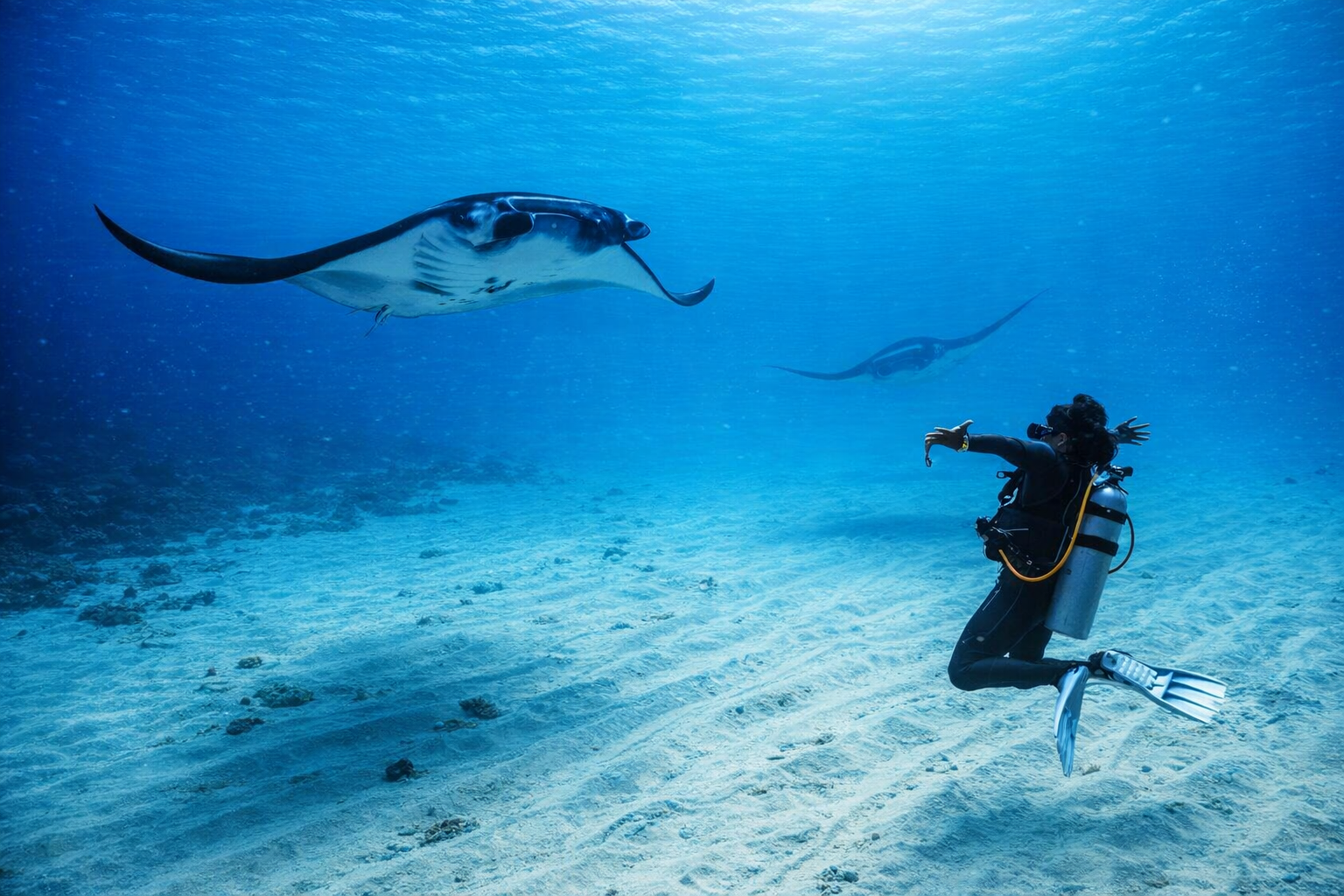
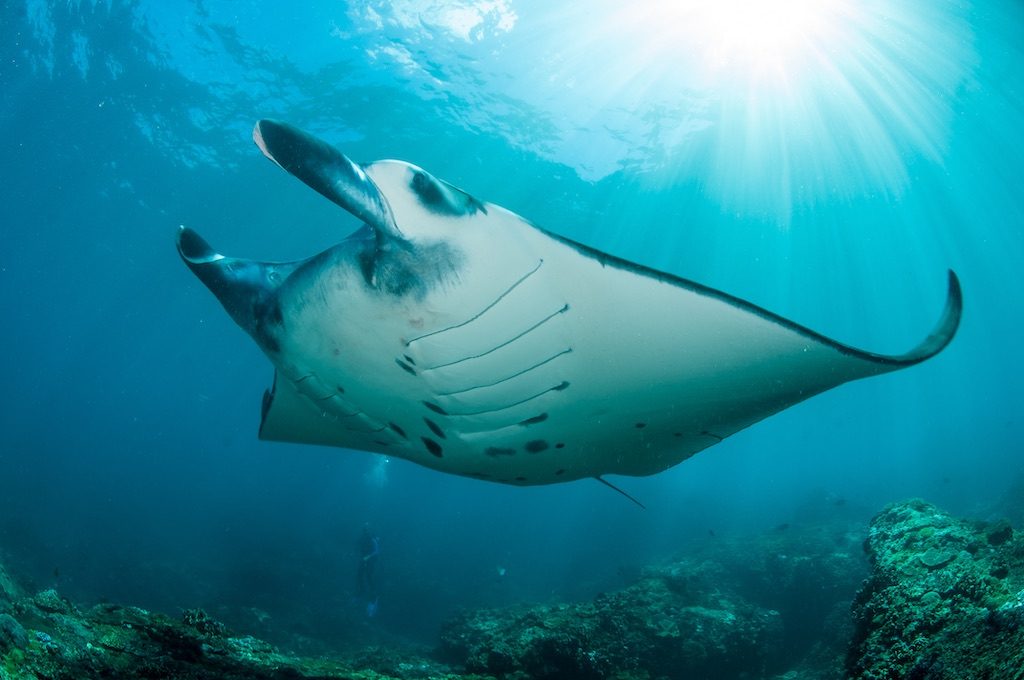
Full-day scuba expedition to three premier dive sites with manta rays, seasonal sunfish, and vibrant reefs
8–9 hours
Free Cancellation
First-time dive adventure in Bali's clearest waters with manta ray encounters and hand-held guidance
3 days
Free Cancellation
Earn your globally recognized diving license with expert instruction at Bali's stunning coral reefs
6 hours
Free Cancellation
Dive into Bali's underwater paradise with expert guidance, hotel transfers, and zero experience required
8 hours
Free Cancellation
Discover Bali's vibrant underwater ecosystems on a relaxed diving excursion with expert instruction
5 hours
Free Cancellation
Discover underwater Bali with pool training, tropical fish encounters, and a legendary shipwreck dive
Explore this iconic wreck resting in shallow water filled with macro life.
Observe gentle giants at this world-famous cleaning station.
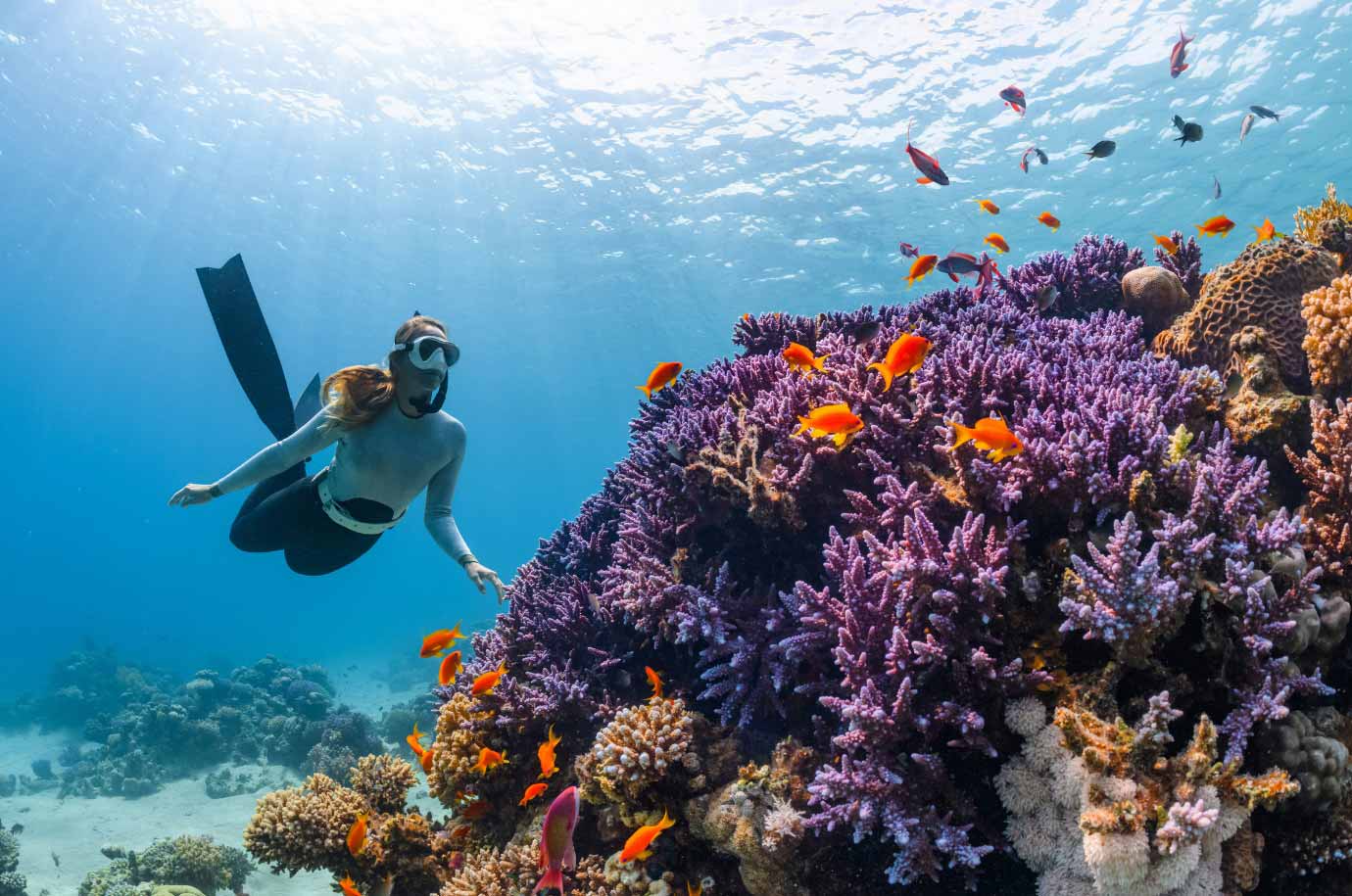
Wall diving with high visibility and vibrant coral gardens.
A protected area perfect for macro photographers and beginners.
Crystal clear water ideal for spotting sharks and cuttlefish.
You meet your instructor at a shopfront dive centre in Tulamben before dawn, the street lit by a single overhead bulb and the hiss of air compressors filling aluminium tanks.
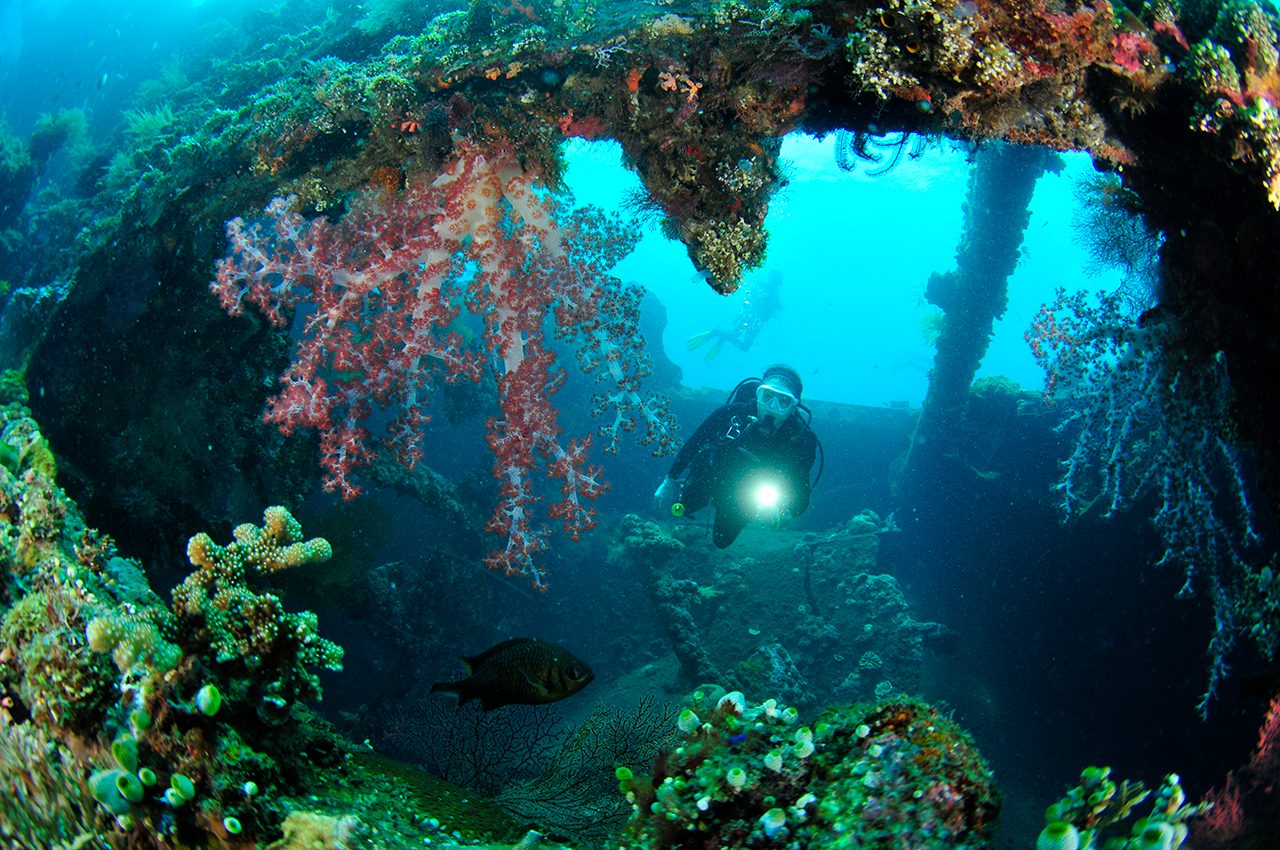
Wetsuits are distributed by torchlight; you pull on a three-millimetre shorty, cinch the weight belt, and walk across black sand still cool from the night, your fins dragging twin grooves toward the waterline. The entry is a wade, no boat, and within thirty strokes the Liberty's broken mast materialises below you, crusted in hard coral and wreathed in silversides that part as you descend.
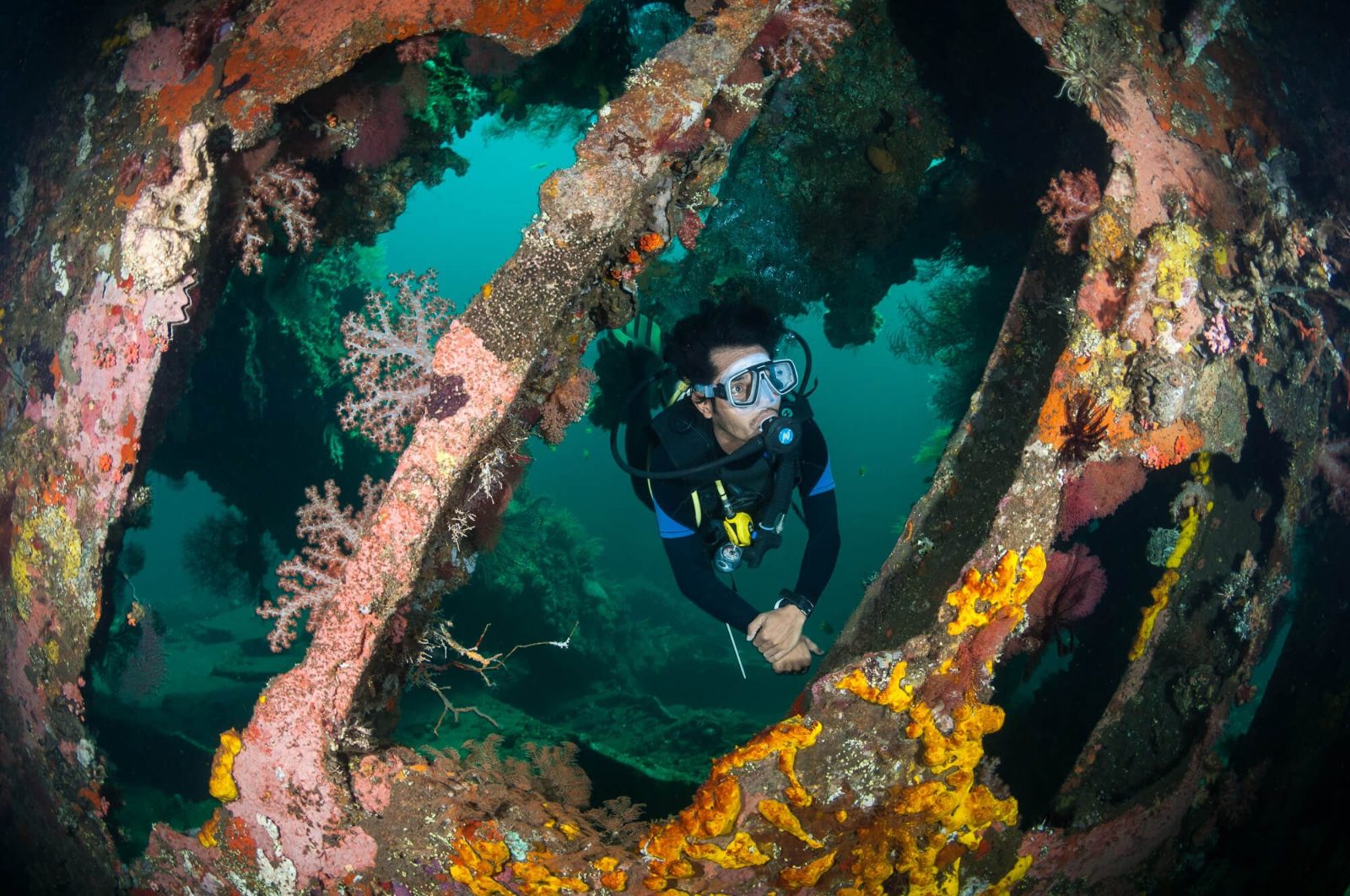
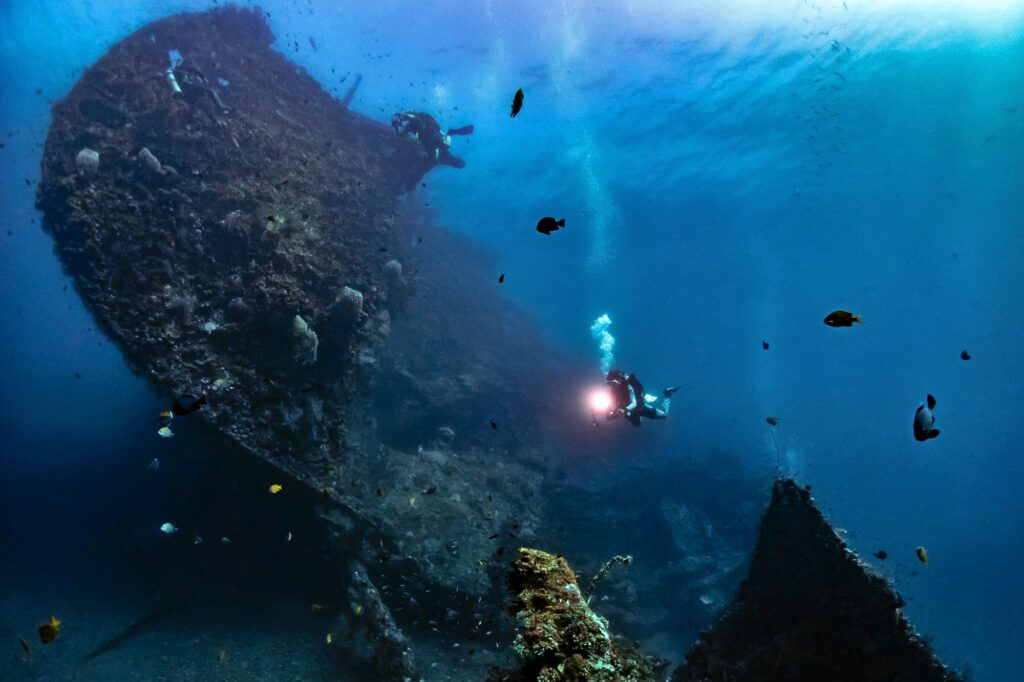
Your instructor signals and you drop to fifteen metres, equalising every few kicks, until the freighter's deck plates spread beneath you like a rusted plaza. You hover over a cargo hatch while your buddy practises regulator recovery; a titan triggerfish watches from the shadows, its yellow-rimmed eye tracking the exhaust bubbles that spiral toward the surface. You finfish toward the stern, where the ship's frame has collapsed into geometry softened by sponges and table corals, and pause to watch a school of bumpheads graze the algae, their foreheads knocking the steel with dull percussive thuds that carry through the water.
Back on the beach you strip your BCD and log the dive in a waterproof notebook, filling in maximum depth, bottom time, and air consumption while your tank is swapped for the second dive of the morning.
All the details about your upcoming adventure in one place
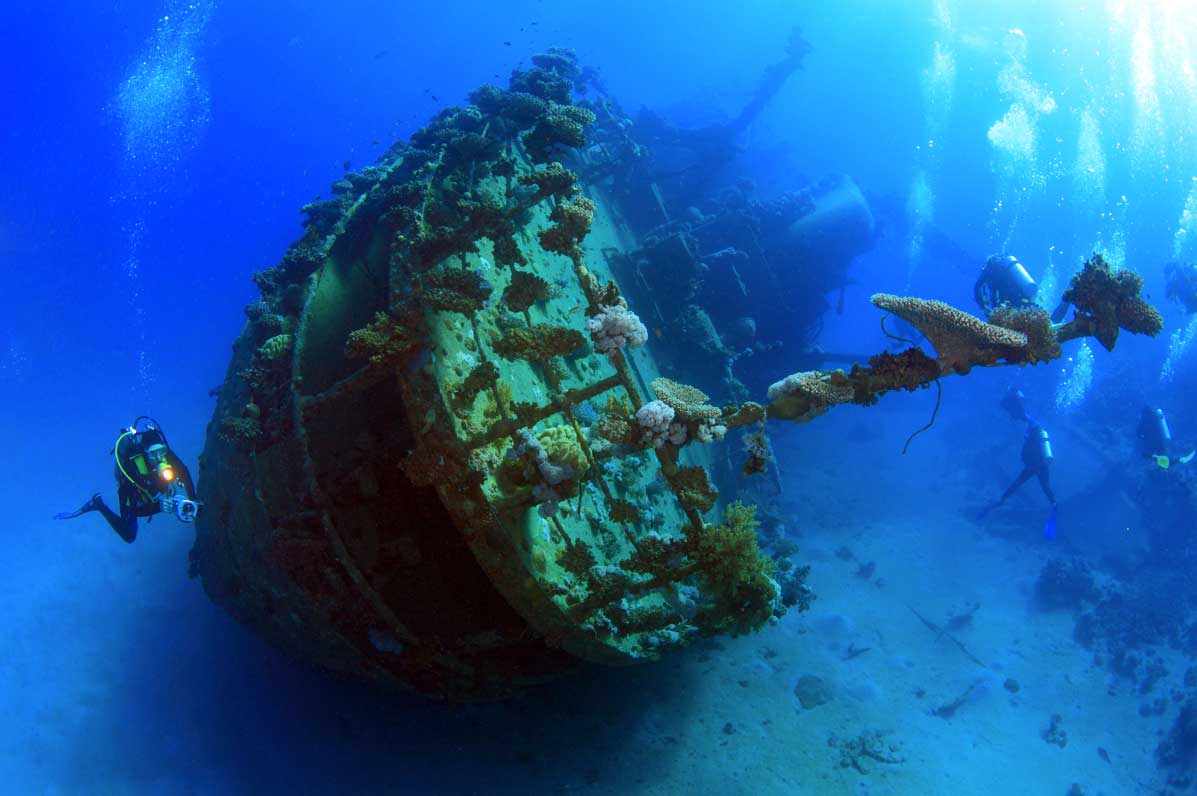
The USAT Liberty lies in twenty-nine metres of water off Tulamben, its hull colonised by gorgonian fans and schools of bumphead parrotfish since a 1963 eruption of Mount Agung shoved the beached freighter back into the sea.
The wreck anchors eastern Bali's reputation as one of Southeast Asia's most accessible training grounds for recreational divers, where volcanic sand slopes meet coral bommies within swimming distance of the shore. PADI-affiliated dive centres dot the coastal stretch from Amed to Padangbai, offering Open Water certification programs that compress pool sessions and open-water checkouts into three intensive days, as well as single-tank Discover Scuba introductions for first-timers who prefer to test their comfort with a regulator before committing to the full course.
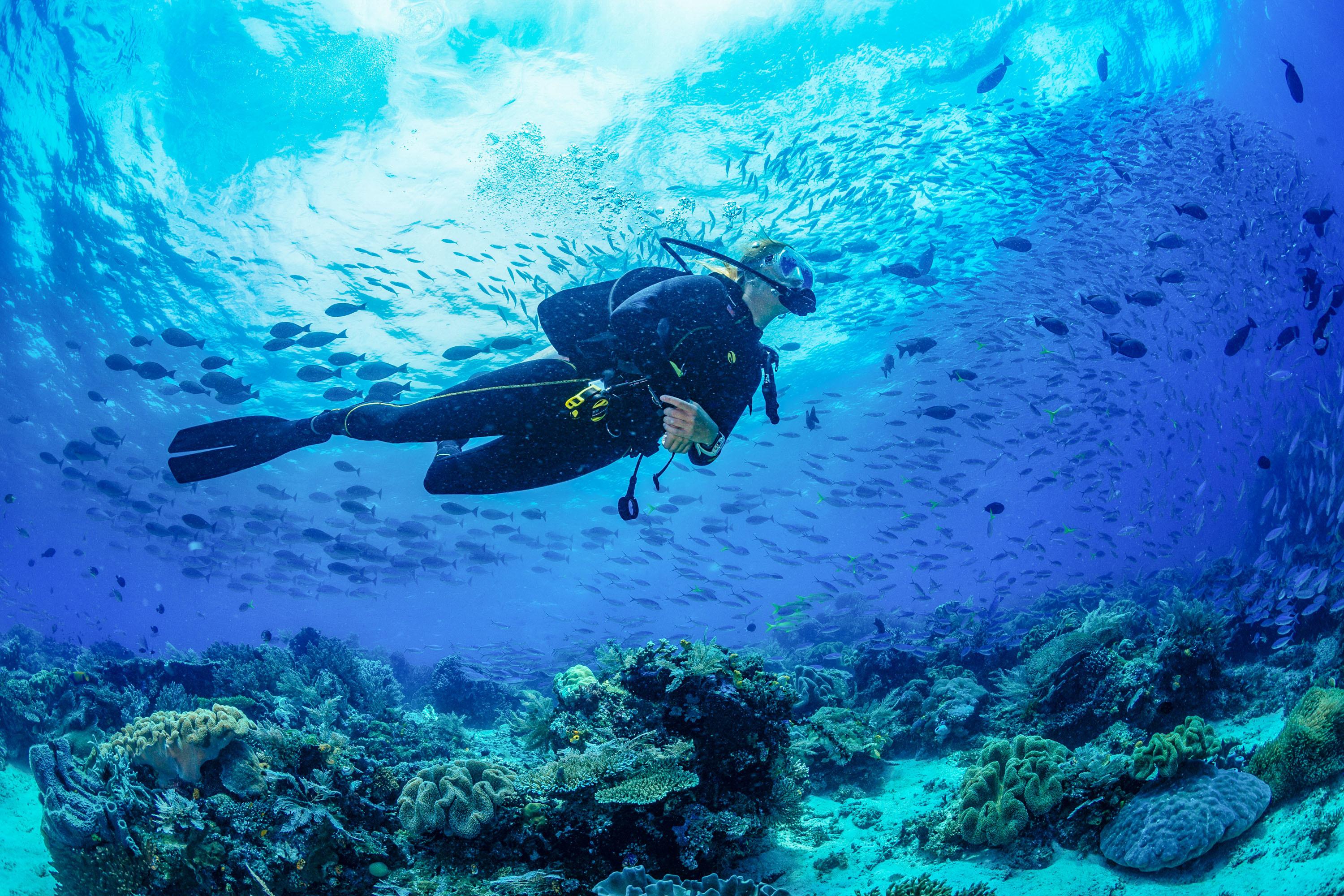
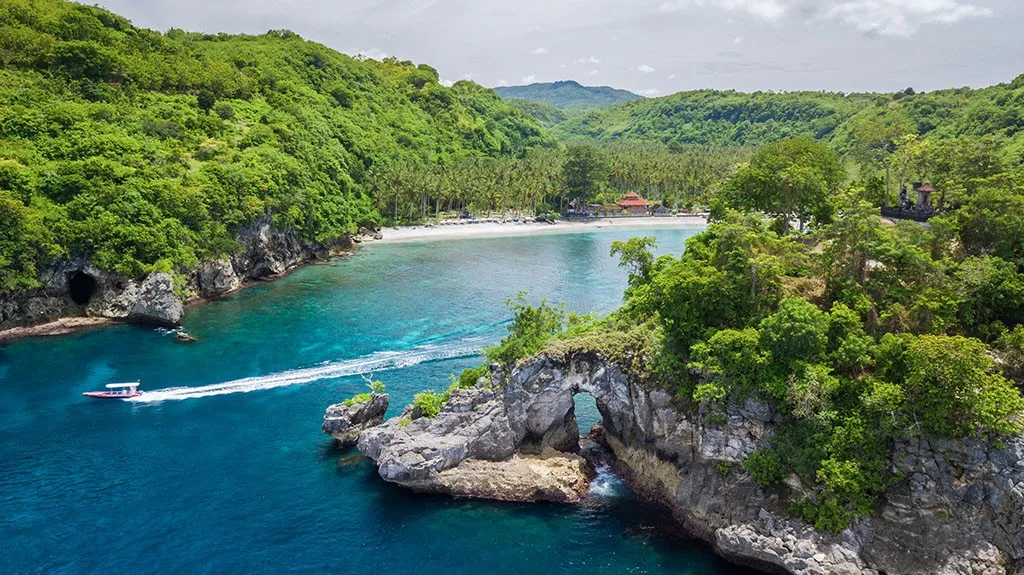
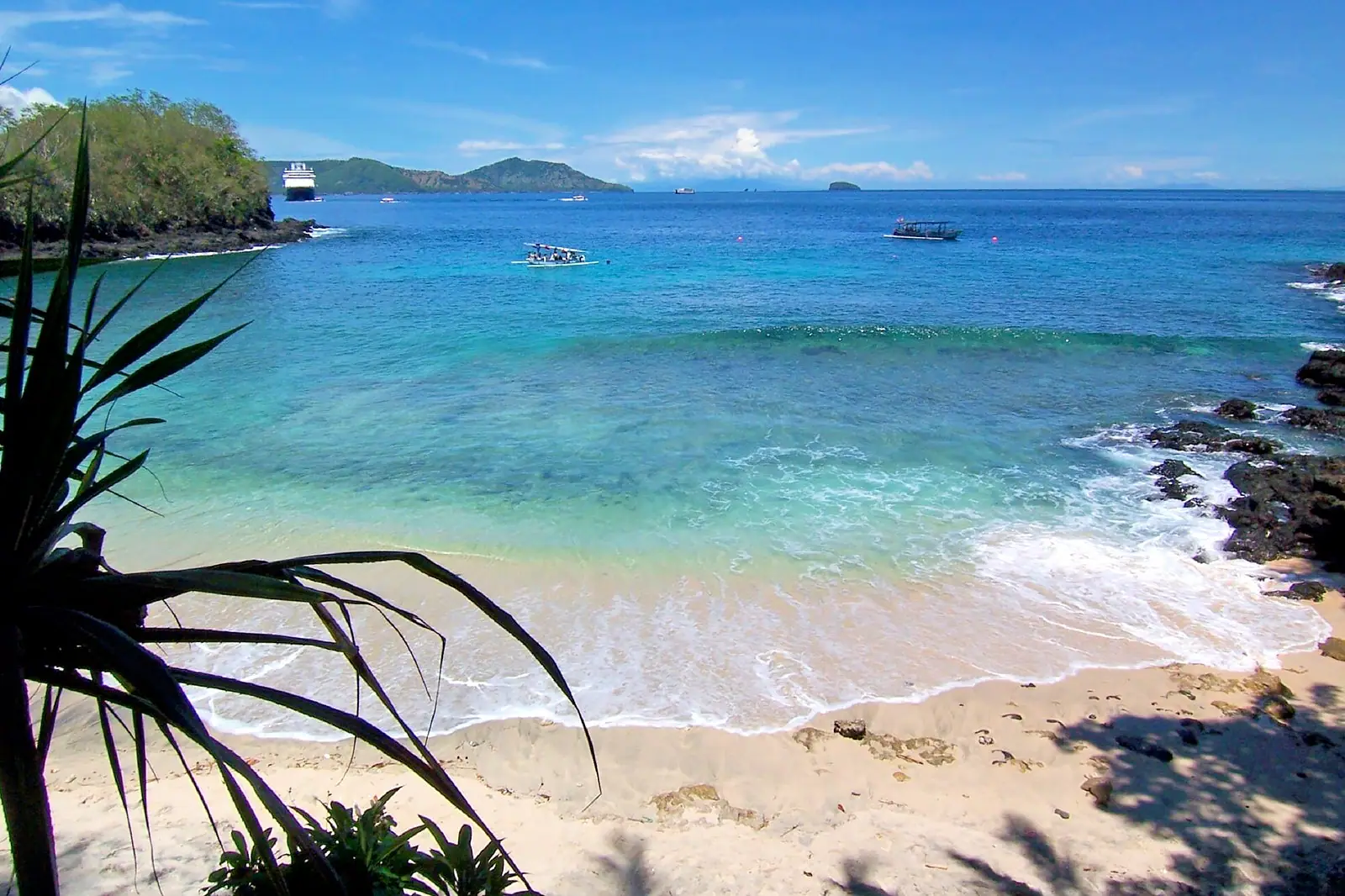
Diving in Bali PADI operators draw instructors from Indonesia, Australia, and Europe, most holding Divemaster or Instructor ratings and working under liability coverage that meets international standards. The island's east coast enjoys calmer conditions than the south, where the Lombok Strait funnels strong currents past Nusa Penida; Tulamben and Padangbai typically see morning visibility between fifteen and twenty-five metres, degrading after midday as wind picks up and plankton blooms thicken. Blue Lagoon—a crescent bay five minutes by boat from Padangbai harbour—serves as the default site for confined-water skills practice, its maximum depth of twelve metres and absence of surge making it forgiving terrain for buoyancy drills and mask-clearing repetitions.
The Liberty Wreck itself spans roughly 120 metres along a slope that begins at five metres and drops past sport-diving limits, meaning a single dive can accommodate snorkelers finning over the superstructure, newly certified divers exploring the cargo holds at eighteen metres, and advanced groups descending to the propeller near thirty metres. Macro life thrives in the riveted seams: pygmy seahorses, ghost pipefish, and nudibranchs in colors that betray the hull's ferrous palette. Larger residents include titan triggerfish, which turn territorial during nesting season and have been known to chase divers back to shore, and occasional oceanic sunfish that drift up from the deep channel when thermoclines shift.
Certification courses conducted through Bali's PADI network include digital learning modules completed before arrival, reducing classroom time on the island to equipment briefings and dive-planning workshops. Open Water students complete four training dives, often split between Blue Lagoon and a second site such as the Japanese Shipwreck in Amed or the coral garden at Menjangan Island if time and logistics allow, though most three-day itineraries keep groups within the Tulamben-Padangbai corridor to avoid road transfers that eat into bottom time.

The Liberty lies in twenty-nine metres of water, its hull colonised by gorgonian fans since a volcanic eruption shoved the freighter back into the sea.
Wear comfortable beachwear and bring a change of clothes for after your dive. Most operators provide rash guards or wetsuits for diving in bali padi tours.
Keep valuables to a minimum. Most operators provide secure storage at their facility for your bags while you are out for your diving in bali padi tour.
Underwater cameras are encouraged, but ensure your housing is depth-rated. Respect marine life and do not touch corals while capturing diving in bali padi memories.
Family participation depends on age and swim ability. Many centers offer programs suitable for youth, making diving in bali padi an inclusive experience for older children.
Accessibility varies significantly by dive shop and site. Please confirm your specific requirements with the operator when booking your diving in bali padi tickets.
Most operators provide water and lunch during full-day trips. Check your package details to see if food is included in your diving in bali padi excursion.
Opening Hours
07:00–18:30
Address
Bali, Indonesia
Accessibility
Varies by operator
Arrival
07:00–10:00
Storage
Ask your operator
Dive Centers
Island-wide
Check with your specific dive operator for their cancellation window. Entrance fees such as the 0 IDR conservation fee are subject to the operator's booking terms.
Recommended time
Full day
To experience diving in bali padi effectively, allocate a full day for boat travel and multiple underwater sessions. Best arrival window: 07:00–10:00 — Early morning offers calmer water, better visibility, and fewer crowds at popular dive sites. Booking professional scuba diving in Bali PADI tours ensures logistics and surface intervals are managed, though specific diving in bali padi tickets are not required as entry is 0 IDR.
Crowd levels through the day
Recreational scuba diving arrived in Bali during the early 1970s, when European and Australian adventurers began exploring the island's coral walls and volcanic drop-offs with rudimentary equipment. The first commercial dive operators emerged in Sanur and Tulamben by 1979, offering tank fills and guided shore dives to backpackers drawn by reports of the USAT Liberty wreck. PADI—the Professional Association of Diving Instructors—formalized its presence in Indonesia in 1985, establishing regional training standards and certifying the island's first cohort of Indonesian divemasters. By 1990, dive centers offering PADI certification courses had multiplied across the southern peninsula, Amed, and Pemuteran, transforming Bali into Southeast Asia's largest hub for entry-level diver training. The 2002 Bombings in Kuta devastated tourism infrastructure, and many small dive shops shuttered within months. Recovery began in 2005, driven by aggressive marketing of Nusa Penida's manta-cleaning stations and the wreck sites of Tulamben. PADI introduced its digital e-learning platform in 2008, allowing travelers to complete theory modules before arrival and compress certification timelines to three days. The rise of liveaboard operators between 2010 and 2015 extended Bali's diving reach to remote sites around Komodo and the Gili Islands, though most PADI certifications still occur at shallow Tulamben and Padang Bai sites. Coral bleaching events in 2016 and 2020 damaged significant reef sections, prompting dive operators to fund restoration projects and shift marketing toward macro photography and wreck diving in bali padi tours. Today, Bali certifies over sixty thousand PADI open-water divers annually, with operator density highest in Sanur, where twenty-three PADI five-star centers compete within a three-kilometer radius.
European and Australian divers explore Bali's reefs with basic equipment, establishing the island's first dive culture.
First commercial dive operators open in Sanur and Tulamben, offering tank fills and guided shore dives.
PADI formalizes its Indonesian operations and certifies Bali's first cohort of local divemasters.
Dive centers proliferate across southern Bali, Amed, and Pemuteran, making the island a regional training hub.
Kuta bombings collapse tourism; many small dive shops close permanently within months.
PADI introduces digital e-learning, compressing certification timelines and boosting student throughput.
Coral bleaching events damage reef sections, prompting operator-funded restoration and a pivot to wreck and macro diving.
Bali certifies over sixty thousand PADI divers annually, with Sanur hosting the highest operator density in Southeast Asia.
Stand on the pebble beach at Tulamben to capture the wide-angle view of the shore where boat entries begin. This is a common location for those pursuing diving in bali padi to photograph their gear setup against the volcanic rock background.
Position your camera from the wooden pier to frame the turquoise water and approaching dive boats. This provides a clear perspective for diving in bali padi tours as divers prepare to head toward Penida.
Capture the calm, shallow waters from the elevated cliff path overlooking the bay. This vantage point is ideal for documenting the vibrant marine life and coral formations accessible via local diving in bali padi tickets.
Photograph the dramatic drop-off and clear blue depths from the bow of a traditional wooden boat. It is a preferred spot for those on a diving in bali padi tour to capture the contrast between the lush island greenery and the underwater reef shelf.
Exploring the underwater world through diving in bali padi offers families a chance to witness vibrant marine biodiversity in a controlled, educational environment. Parents should prioritize professional guidance when planning these aquatic adventures to ensure safety for all participants.
The sandy beach access points are not suitable for strollers, so plan to carry infants or use a sturdy carrier.
While PADI programs for children start as young as eight, most open-water experiences are designed for those ten and older.
Changing facilities and restrooms are typically managed by local dive centers rather than the dive sites themselves.
Booking diving in bali padi tours during the early morning window of 07:00–10:00 ensures calmer water conditions for younger swimmers.
Ensure your chosen operator provides gear specifically sized for children to maintain buoyancy and comfort.
While there is 0 IDR entrance fee to the general coastal area, remember that you need to secure diving in bali padi tickets through a local operator for equipment and boat access.
Visitors planning for diving in bali padi will find a variety of casual beachside eateries within walking distance of popular shore entry points. These venues are ideal for refueling with local refreshments or hearty meals after completing your underwater exploration.
A relaxed spot serving fresh grilled fish and coconut water perfect for post-dive recovery. It is a popular choice for those looking for a quick meal near the water after completing diving in bali padi tours.;Bali Dive Resort Restaurant
Everything you need to know for your journey
Most shops operate from 07:00–18:30 daily.
There is a 0 IDR entrance fee, though packages require payment to local operators.
The best arrival window is 07:00–10:00 for calmer conditions.
Courses are available for all levels, but advanced sites require certification.
Yes, you can book your diving in bali padi tickets directly through verified PADI centers.
Operators set age limits based on PADI standards for specific courses.
Bring your certification card, logbook, swimwear, and sunscreen.
Yes, photography is allowed and encouraged during your dive.
Look for PADI 5-star centers to ensure quality standards for diving in bali padi.
Diving is possible year-round, though peak seasons influence visibility.
Join thousands of happy travelers who have discovered this incredible experience
Book Your Experience Now