

Quick answer
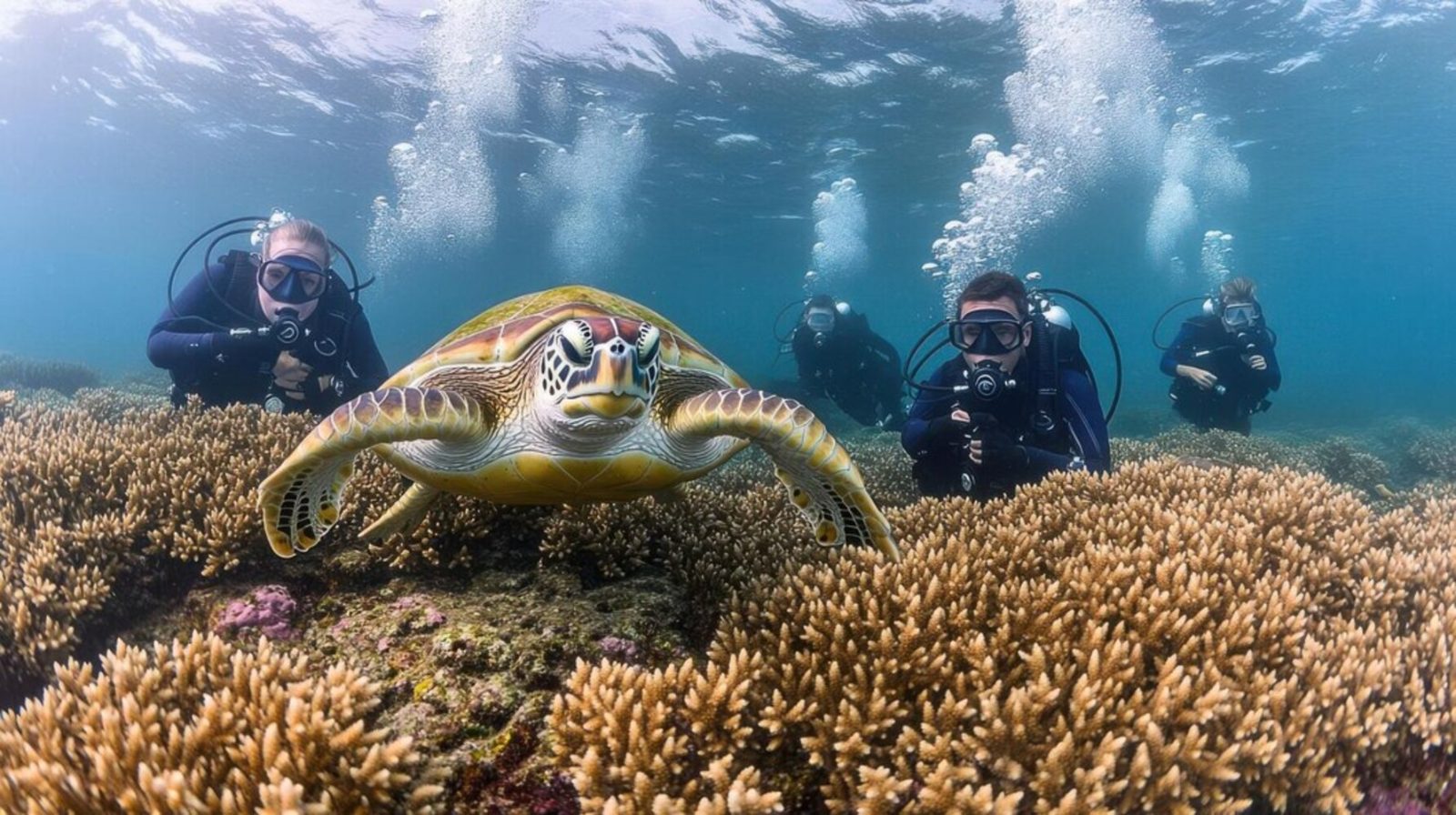
Yes, Bali ranks among Southeast Asia's premier dive destinations. The island offers accessible coral reefs, pelagic encounters with manta rays and mola mola, the historic Liberty shipwreck, and consistent tropical water temperatures. Dive sites accommodate all certification levels, from sheltered bays for beginners to drift dives and deep walls for advanced divers. Visibility ranges from 10 to 30 meters depending on site and season.
Bali's coastline divides into three dive zones, each shaped by different ocean currents and seafloor topography. The northeast coast around Tulamben centers on the USAT Liberty, a World War II cargo ship resting 30 meters from shore in depths from five to 30 meters. Soft corals now coat the hull, attracting schools of jacks, barracuda, and resident pygmy seahorses. The southeast waters off Nusa Penida and Nusa Lembongan draw pelagic species through deep channels between the islands. Manta Point and Crystal Bay host year-round manta ray cleaning stations, while mola mola—ocean sunfish weighing up to 2,000 kilograms—ascend from deep water to cleaning stations between July and October. Strong currents at these sites demand advanced buoyancy control and drift-diving experience. Northwest Bali presents calmer conditions suited to newer divers. Menjangan Island inside West Bali National Park features wall dives starting at five meters and descending past 60 meters, covered in gorgonian fans and home to reef sharks, turtles, and schooling fusiliers. The protected marine park status maintains coral health and fish populations. Shore entries and shallow maximum depths make Secret Bay a macro photography site where divers document frogfish, blue-ringed octopus, and mimicry specialists like the wonderpus. Water clarity peaks during the dry season from April through November when plankton blooms subside and runoff decreases. The wet months from December through March bring nutrients that cloud visibility but also attract filter feeders and larger pelagics. Most dive centers operate daily, with morning departures between 08:00 and 09:00 capturing optimal light angles underwater. No general admission fee applies to Bali's waters, though specific marine parks charge modest conservation fees collected at dive operator check-in.
“The island's three coastlines offer everything from beginner-friendly wrecks to advanced drift dives with mantas and mola mola.”
When Is Bali Good for Scuba Diving: Seasonal and Daily Timing
The optimal time for scuba diving in Bali is during the dry season from April to October, which provides stable conditions and superior visibility. Regardless of the season, the best daily arrival window is 08:00–14:00 to ensure clear water and favorable light for underwater observation.
Dry Season (April–October)
Moderate crowdsDry, 26°C–29°C
Consistent weather leads to calm seas and high visibility across most dive sites.
Wet Season (November–March)
Lower crowdsHumid, 27°C–30°C
Expect occasional rainfall, though diving remains possible with localized visibility fluctuations.
Daily 08:00–14:00
Varies—
This window offers the most favorable water clarity and light conditions for underwater activity.
Verdict: The most favorable conditions occur from April to October, specifically between 08:00 and 14:00.
Is Bali Good for Scuba Diving: Understanding Entry and Park Fees
Accessing the island of Bali does not require a public entry fee. However, commercial diving activities involve specific costs related to marine park access.
While island access is 0 IDR, divers typically pay additional marine park fees depending on the specific dive site visited.
Top Reasons Why Bali Is Good for Scuba Diving: Renowned Dive Sites
Bali offers diverse underwater topography ranging from historic shipwrecks to vibrant coral walls. These sites provide varied conditions suitable for different experience levels.
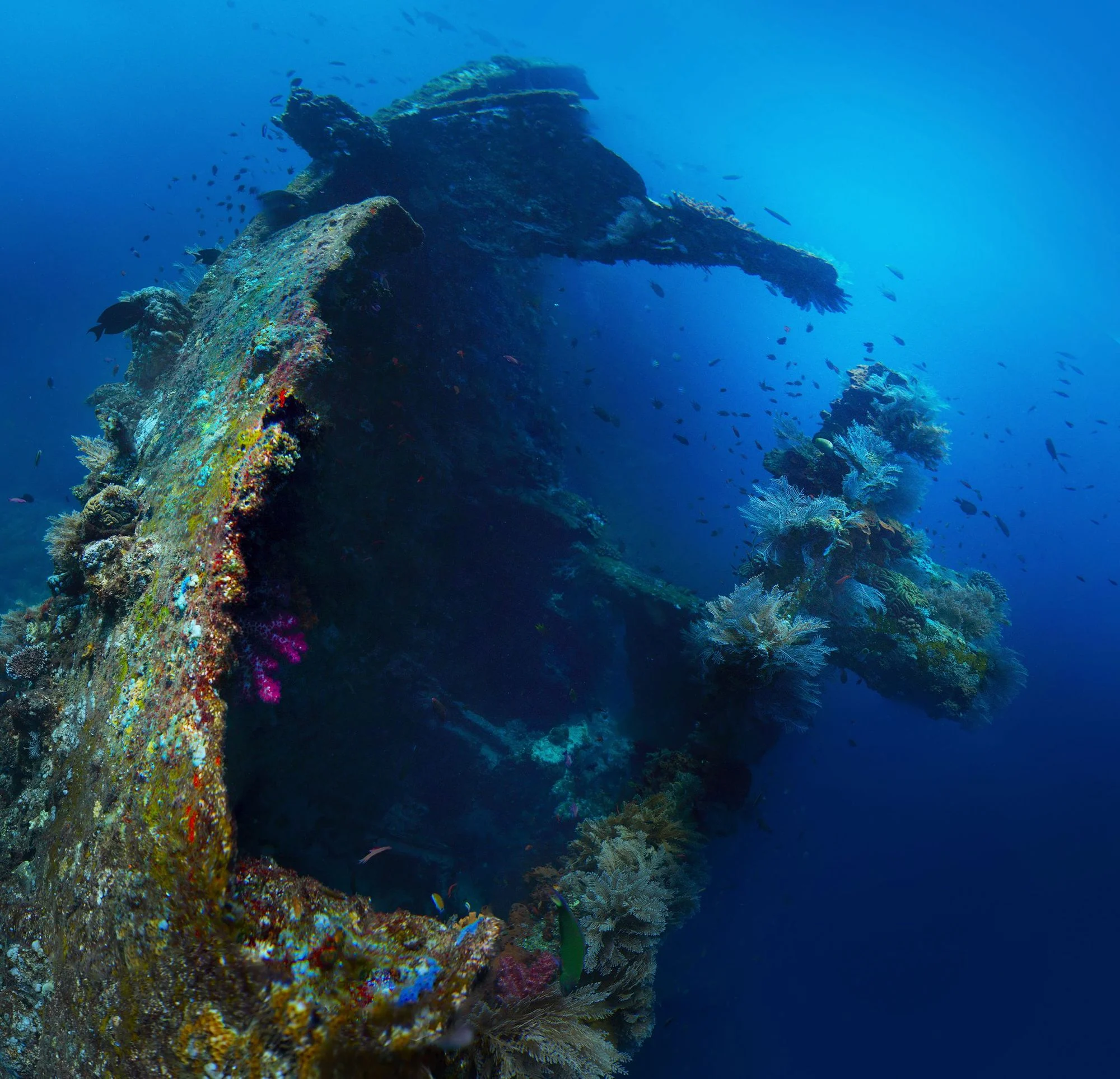
USAT Liberty Wreck
This world-famous shipwreck in Tulamben lies in shallow water, covered in soft corals and home to schools of jacks.
Visit at dawn to avoid crowds and see the resident bumphead parrotfish.
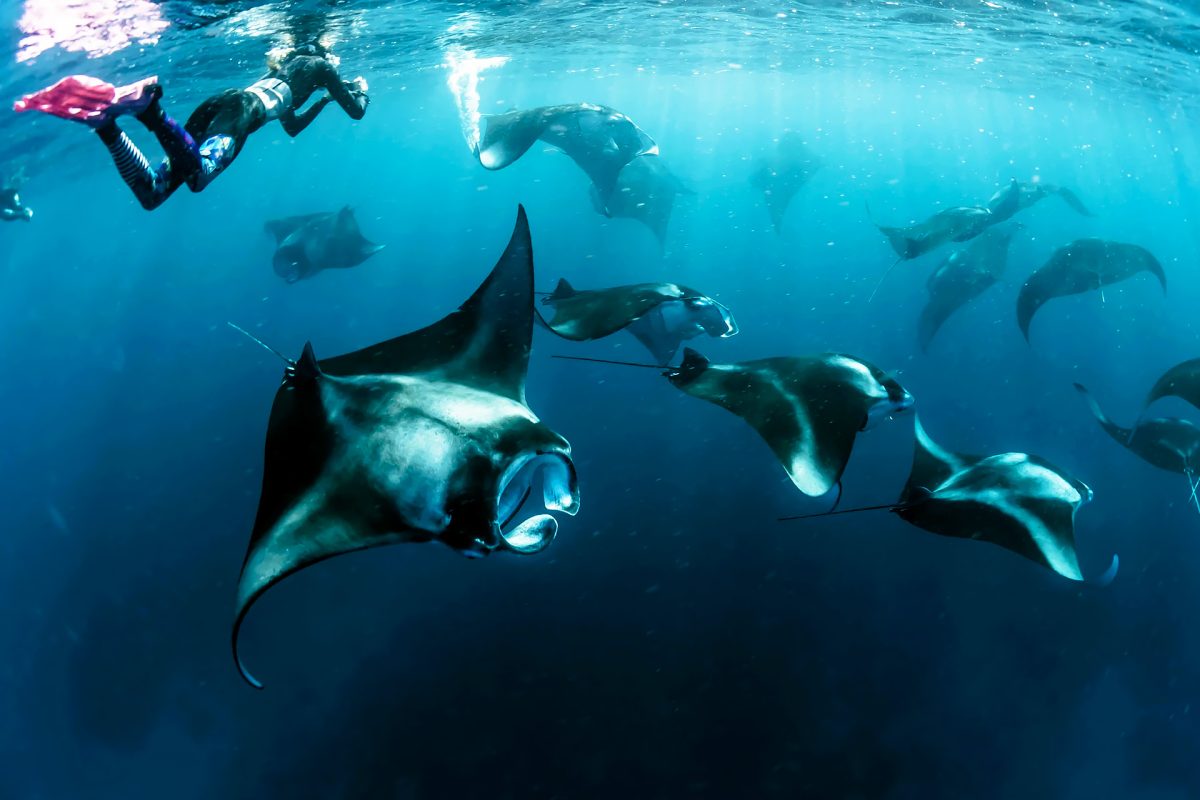
Manta Point
Located off Nusa Penida, this site is frequented by reef manta rays that gather at cleaning stations.
Maintain neutral buoyancy and observe from a distance without touching corals.
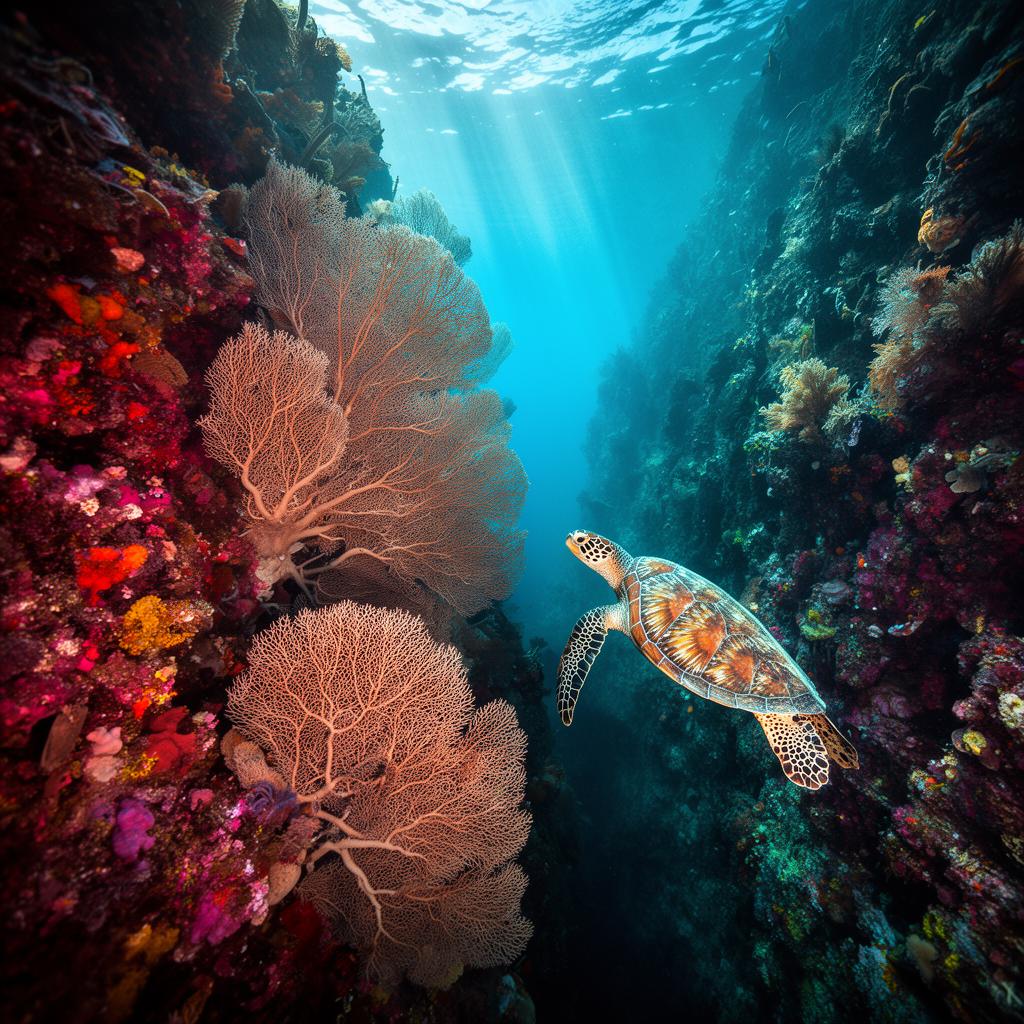
Menjangan Island
Part of the West Bali National Park, this location features steep walls with high coral diversity and clear water.
Focus on the wall structure to spot pygmy seahorses in gorgonian fans.
Amed Reef
These coastal reefs provide calm, accessible diving with a variety of macro life and sandy slopes.
Explore the shallow slopes during the morning for optimal visibility.
Preparing for Your Trip: Is Bali Good for Scuba Diving Logistics
Diving in Bali requires valid certification, proper documentation, and awareness of local marine park requirements.
-
Carry your dive certification card — Operators verify credentials before allowing dives, and digital copies may not be accepted at all centers.
-
Bring your logbook if continuing education — Recent dive history helps operators assess your experience level and recommend appropriate sites.
-
Obtain dive medical clearance if required — Some operators request a physician's sign-off, especially for divers over 45 or with pre-existing conditions.
-
Arrange dive insurance with recompression coverage — Bali has hyperbaric chambers, but evacuation and treatment costs can exceed standard travel insurance limits.
-
Confirm marine park fees with your operator — Specific sites like Menjangan and Nusa Penida charge separate conservation fees collected on-site.
-
Pack reef-safe sunscreen — Chemical sunscreens are discouraged at many dive sites to protect coral health.
-
Arrive between 08:00–14:00 for best conditions — Optimal water clarity and natural light occur during this window.
Common Mistakes to Avoid When Diving in Bali
Bali's dive sites range from gentle coral gardens to demanding drift dives with strong currents. Avoiding common safety and planning errors ensures you match the right site to your skill level and experience the conditions safely.
Underestimating current strength at sites like Nusa Penida
Check dive briefings for current forecasts and only attempt advanced sites if you hold the appropriate certification and recent drift-dive experience.
Skipping a check dive after a long break
Book a shallow refresher dive to verify buoyancy control and equipment familiarity before progressing to deeper or current-prone locations.
Ignoring the experience threshold for specific sites
Research minimum certification requirements—some operators restrict access to sites like Crystal Bay or Manta Point to Advanced Open Water divers or equivalent.
Diving outside the 08:00–14:00 window without local guidance
Plan dives during optimal visibility hours; late-afternoon conditions can reduce clarity and increase current unpredictability at exposed sites.
Not verifying operator safety standards and equipment condition
Confirm that your chosen dive center maintains current insurance, follows PADI or SSI protocols, and services regulators and BCDs regularly.
Check availability
Frequently asked questions about is bali good for scuba diving
Everything you need to know about is bali good for scuba diving