English| EUR
Suggested for you
More currencies
Book Now
Open today · 08:00–18:00

Diving Courses in Bali

Diving Courses in Bali — PADI Certification & Wreck Training

Learn beneath Tulamben's volcanic slopes, where warm currents meet World War Two steel

50K+ travelers chose this
Free Cancellation
Right now: Moderate — autumn season Check local marine conditions prior to departure.
Free Cancellation
Free cancellation Instant confirmation Mobile voucher Certified PADI instructors Book now, pay later
08:00–18:00
Opening Hours
Daily across all Bali locations
08:00–10:00
Best Arrival
Optimal visibility and calm waters
0 IDR
General Access
Fees apply only to dive courses
3+ Regions
Primary Hubs
Tulamben, Amed, and Sanur
Choose your ticket

Diving Courses in Bali tickets at a glance

Compare fares, pick the fit — all bookings are mobile-voucher and eligible for free cancellation where shown.

3-Day PADI Open Water Diving Certification in Bali 72 hr
Guided Experience

3-Day PADI Open Water Diving Certification in Bali

4.9 (114)
$459
  • Expert local guide
  • Small group
  • Skip-the-line access
  • Free cancellation
Book this ticket
Tulamben Bay Introductory Scuba Diving Adventure 9 hr
Guided Experience

Tulamben Bay Introductory Scuba Diving Adventure

5 (68)
€105
  • Expert local guide
  • Small group
  • Skip-the-line access
  • Free cancellation
Book this ticket
Compare options

Selecting Your Diving Courses in Bali: Certification vs Discovery

Choosing the right program among diving courses in bali depends on whether you seek a quick underwater experience or a formal scuba certification. Understanding the distinction between these entry-level scuba programs ensures you select the correct path for your aquatic education.

Discover Scuba Introductory Level Top pick
PADI Open Water Full Certification
Primary Goal Underwater introduction
Course Duration 1 day
Certification Awarded None
Instructor Ratio 1:2
Best for First-timers

Verdict: For those interested in long-term exploration, PADI Open Water diving courses in bali tours provide the necessary credentials, while discovery options offer a flexible way to test the waters.

Is Investing in Diving Courses in Bali Worth the Cost?

Worth it for committed learners and wreck enthusiasts

Diving courses in Bali deliver exceptional value when you're serious about certification. The 3-day PADI Open Water course provides internationally recognized credentials and opens access to dive sites worldwide, while introductory adventures at Blue Lagoon and Tulamben Bay let you test the waters before committing. Bali's underwater appeal centers on the USAT Liberty shipwreck at Tulamben—a WWII wreck sitting 30 meters offshore in calm, clear conditions ideal for training dives. Instructors work in small groups during morning sessions when visibility peaks, and no coastal entry fees apply beyond course costs. The value proposition favors those planning multiple future dives: certification pays for itself after four or five recreational dives elsewhere. Single-day intro experiences suit curious travelers, but repeating them without progressing to Open Water certification becomes expensive quickly. The combination of accessible wrecks, consistent conditions, and competitive instruction pricing makes Bali scuba training a solid investment for anyone beyond casual interest.

What makes it worth it

  • PADI certification valid worldwide after completion
  • USAT Liberty wreck access ideal for training
  • Morning visibility consistently excellent for learning
  • No separate site entry fees beyond courses
  • Intro dives available before certification commitment

Keep in mind

  • Single intro dives expensive without progression
  • Certification requires three full days minimum
  • Tulamben locations require transport from south Bali
  • Limited coral diversity compared to Raja Ampat

Bottom line: If you'll dive again after Bali, certification here costs less than five recreational dives abroad and unlocks the Liberty wreck's full potential.

Head to head

PADI Certification vs Introductory Diving Courses in Bali

Certification courses provide comprehensive training for independent underwater navigation, while introductory dives offer a surface-level glimpse of marine life; most visitors conclude that formal training is the better investment for long-term exploration. Choosing the right diving courses in bali tours ensures you receive standardized instruction for your future ocean expeditions.

Top pick
Certification Course
Discovery Dive
Commitment Level Single day
Skill Certification None
Dive Site Accessibility Shallow protected areas
Total Duration 2 to 4 hours
Depth Limits Maximum 12 meters
Equipment Handling Instructor managed equipment

Verdict: Securing your diving courses in bali tickets grants access to global autonomy, whereas introductory diving courses in bali tour options remain best suited for those testing the waters without extensive time commitments.

Featured Experiences

Popular Diving Courses in Bali tours & activities

Hand-picked experiences loved by thousands of travelers

Recommended Experience

Powered by GetYourGuide

Another traveler favorite

Powered by GetYourGuide
Tulamben USAT Liberty Wreck Dive Adventure 9 hours Free Cancellation

Tulamben USAT Liberty Wreck Dive Adventure

Explore a legendary WWII shipwreck teeming with coral and marine life on Bali's volcanic northeast coast.

4.9 (63)
FromFrom $109
See details
Introductory Scuba & WWII Shipwreck Dive at Tulamben 5 hours Free Cancellation

Introductory Scuba & WWII Shipwreck Dive at Tulamben

Learn to dive in shallow water, then explore the famous USAT Liberty wreck—a World War II relic resting off Bali's coast.

5 (5)
FromFrom €96.63
See details
2-Day PADI Advanced Open Water Diving Course in Bali 2 days Free Cancellation

2-Day PADI Advanced Open Water Diving Course in Bali

Master advanced diving techniques across five ocean dives at Blue Lagoon and the legendary USAT Liberty wreck

5 (4)
FromFrom €297.78
See details
Beginner Scuba Diving Adventure to Nusa Penida & Lembongan 8 - 9 hours Free Cancellation

Beginner Scuba Diving Adventure to Nusa Penida & Lembongan

Explore Bali's underwater wonders with guided dives for first-timers—manta rays, vibrant reefs, and full support included.

5 (4)
FromFrom €132.94
See details
Beginner Scuba Diving Adventure in Bali 6 hours Free Cancellation

Beginner Scuba Diving Adventure in Bali

Dive into crystal-clear waters and explore vibrant coral reefs with expert guidance and full equipment.

FromFrom €68.17
See details
Liberty Wreck Diving & Kayaking Adventure in Tulamben 9 hours Free Cancellation

Liberty Wreck Diving & Kayaking Adventure in Tulamben

Discover underwater wonders at a historic shipwreck site with beginner-friendly scuba instruction and beach activities

4.4 (25)
FromFrom €76.7
See details
Private Beginner Scuba Diving in Tulamben 5 hours Free Cancellation

Private Beginner Scuba Diving in Tulamben

Learn to dive with a personal instructor, then explore a legendary WWII shipwreck and tropical fish clouds

5 (3)
FromFrom $94.9
See details
Padang Bai Guided Scuba Diving Adventure with Lunch 8 hours Free Cancellation

Padang Bai Guided Scuba Diving Adventure with Lunch

Discover vibrant coral reefs and marine life on a relaxed half-day diving excursion from South Bali

5 (3)
FromFrom €122.05
See details
Your journey

Your Diving Courses in Bali day, step by step

1

Theory Session

Classroom learning of dive physics and safety protocols.

2

Equipment Setup

Familiarization with buoyancy control devices and regulators.

3

Confined Water Training

Practicing basic skills in shallow water settings.

4

Open Water Dives

Applying skills at designated ocean dive sites.

What you'll see

What you'll see at Diving Courses in Bali

USAT Liberty Wreck

USAT Liberty Wreck

A world-famous shipwreck accessible from the shore with diverse marine life.

Coral Garden

Coral Garden

A vibrant reef site perfect for practicing buoyancy control skills.

Drop-off Point

A steep wall site providing depth for advanced training modules.

Japanese Shipwreck

Japanese Shipwreck

A shallower wreck site suitable for intermediate students.

Batu Kelebit

Batu Kelebit

A deep reef site known for pelagic fish sightings.

The experience

What visiting Diving Courses in Bali is really like

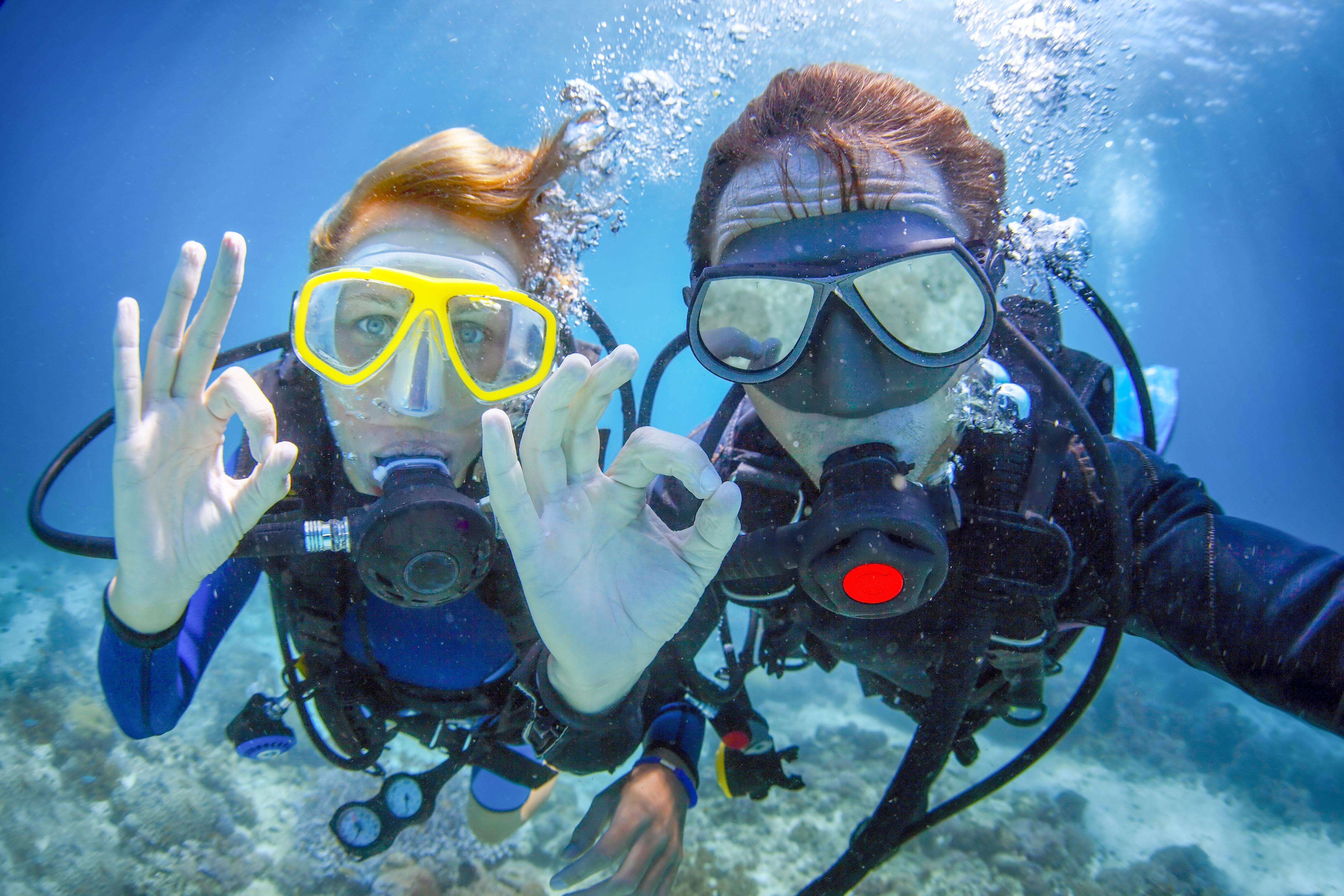
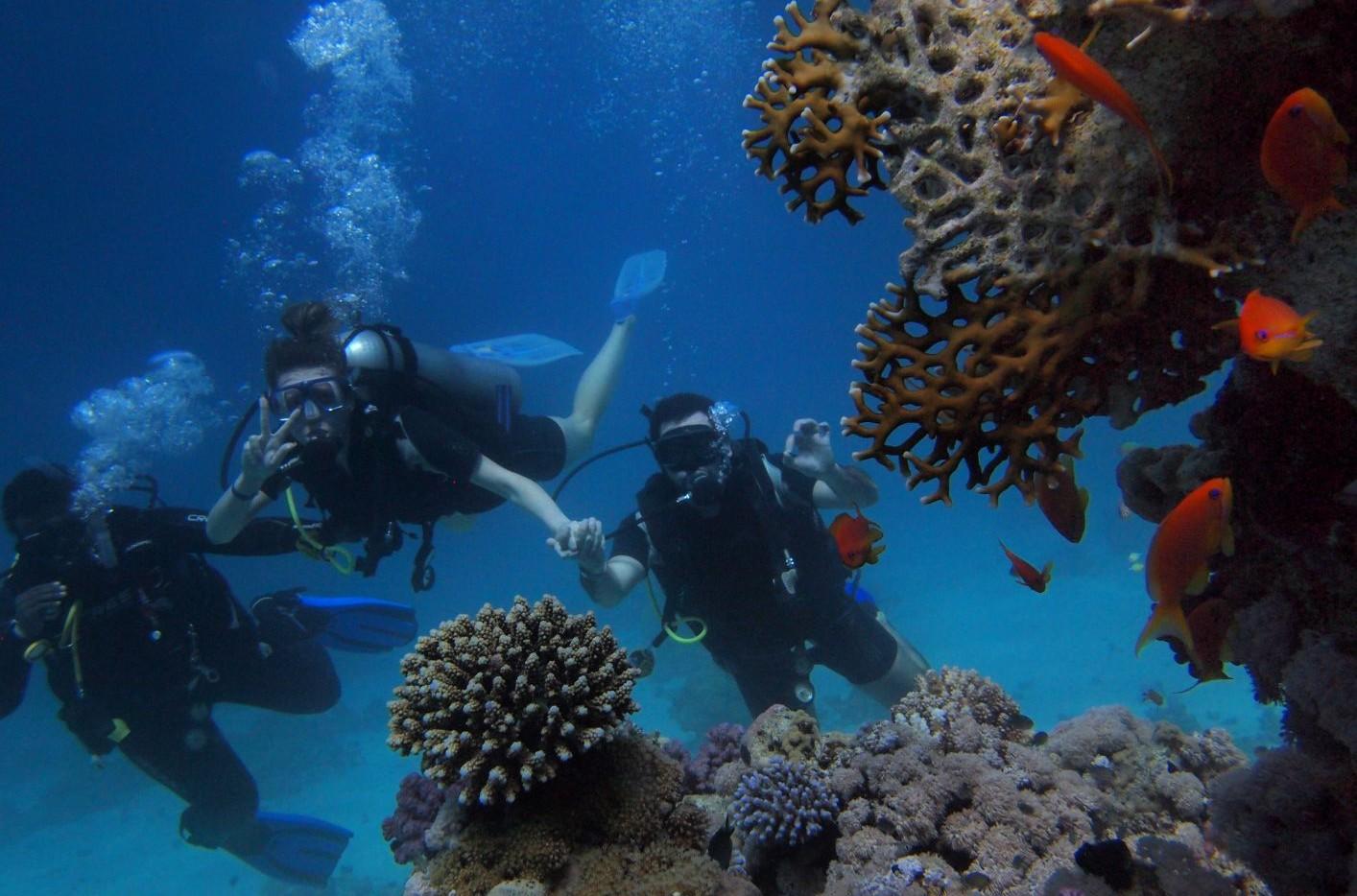
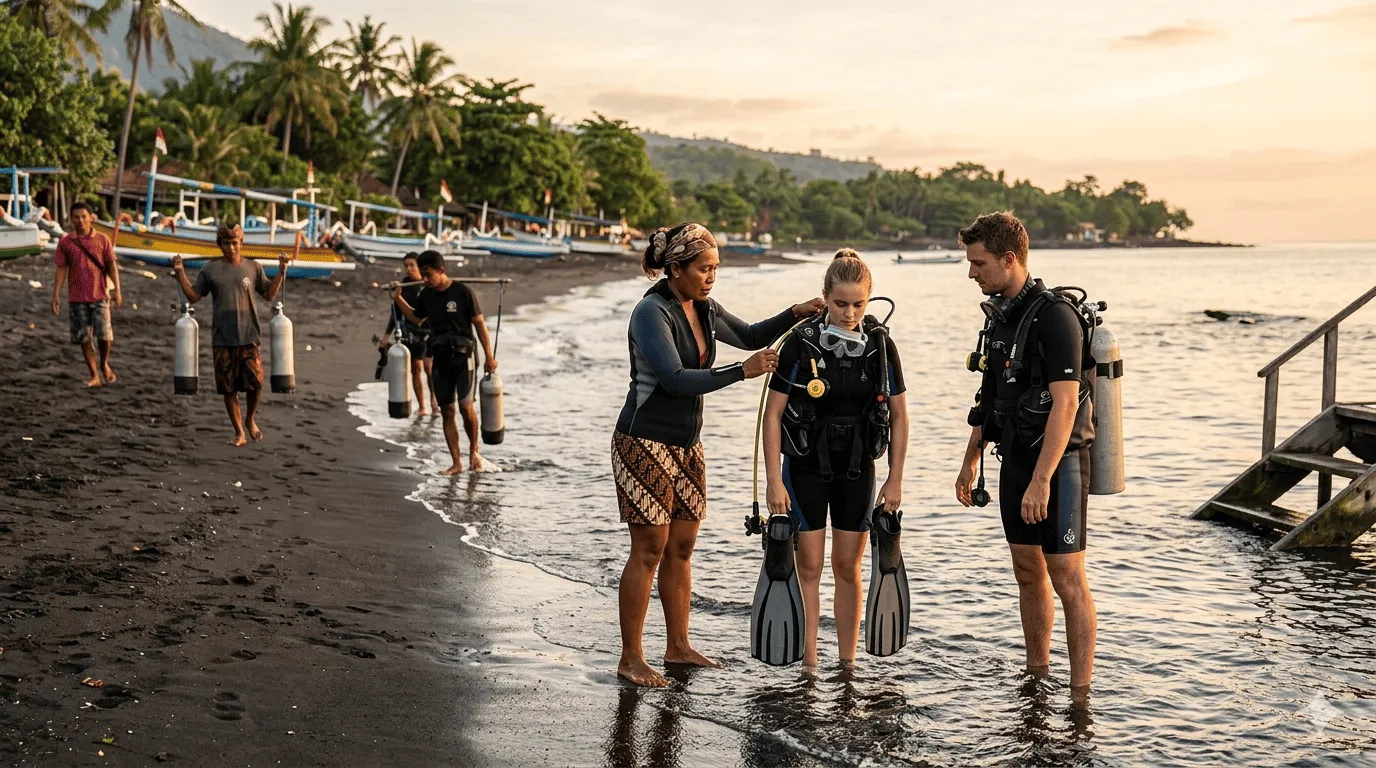
You arrive at Tulamben before eight, when the bay holds its morning stillness and the Liberty's silhouette is visible through fifteen metres of clear water. Your instructor fits your BCD on the volcanic sand beach, runs through hand signals, and walks you into the shallows for a buoyancy check.

Read more Show less

The first confined dive happens here, in chest-deep water: you practise regulator recovery, mask clearing, and controlled descents until each skill becomes automatic.

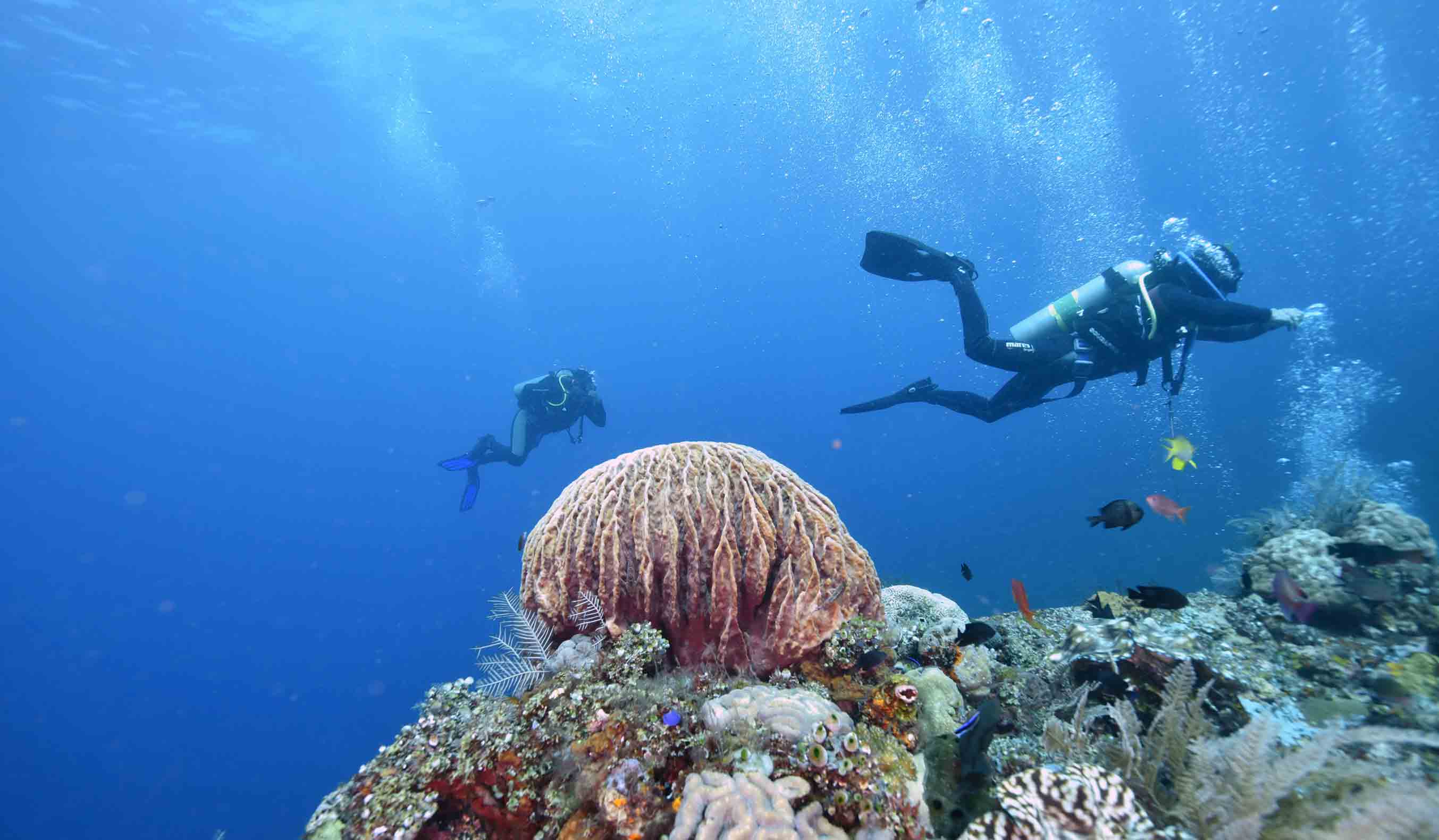
By mid-morning you're kneeling on sand at Blue Lagoon, equalising as you descend to five metres. The instructor signals a compass heading. You follow it across a plateau of staghorn coral, watching your depth gauge and air supply, then surface exactly where you started. The confined dives end before lunch.

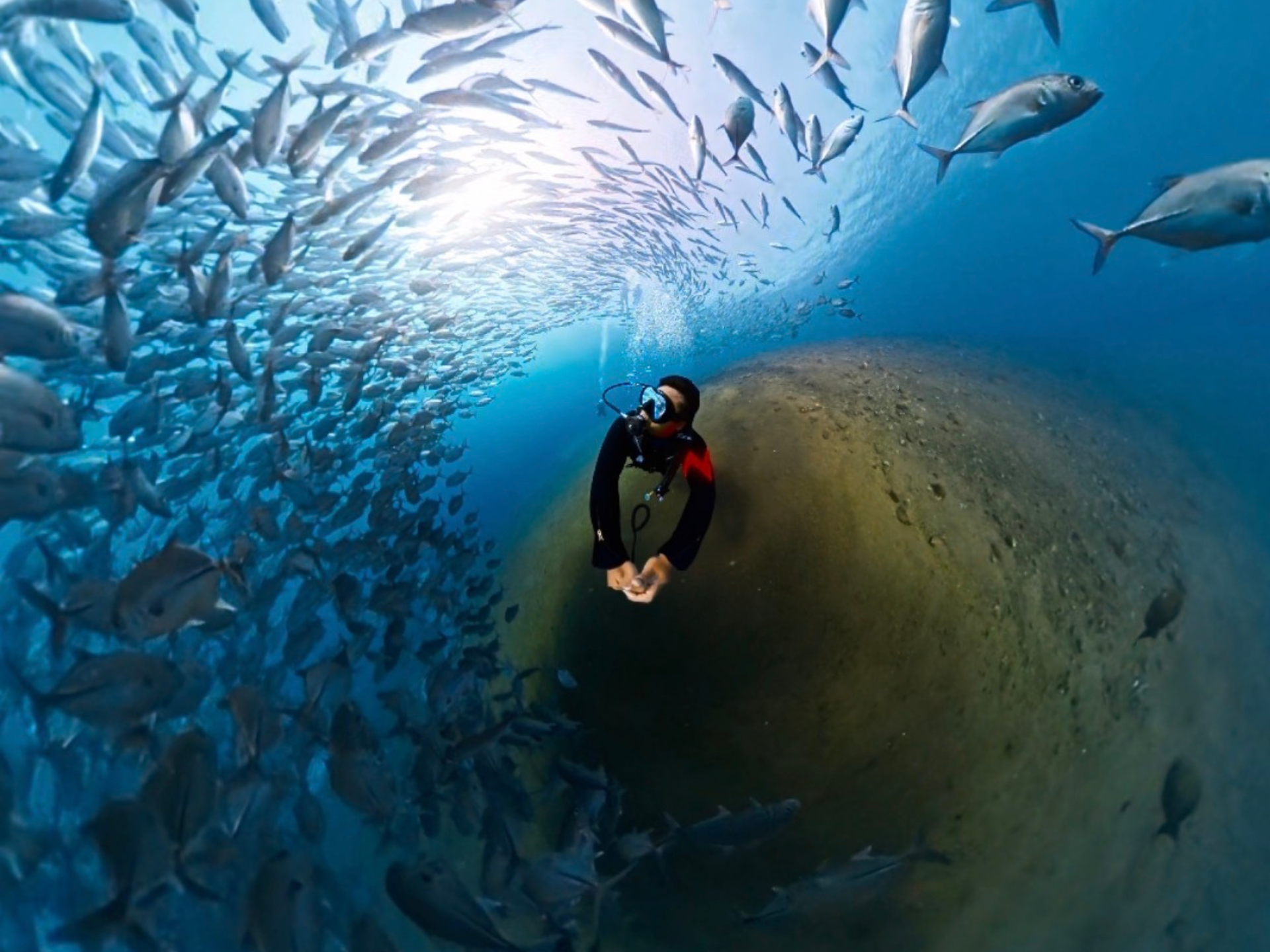
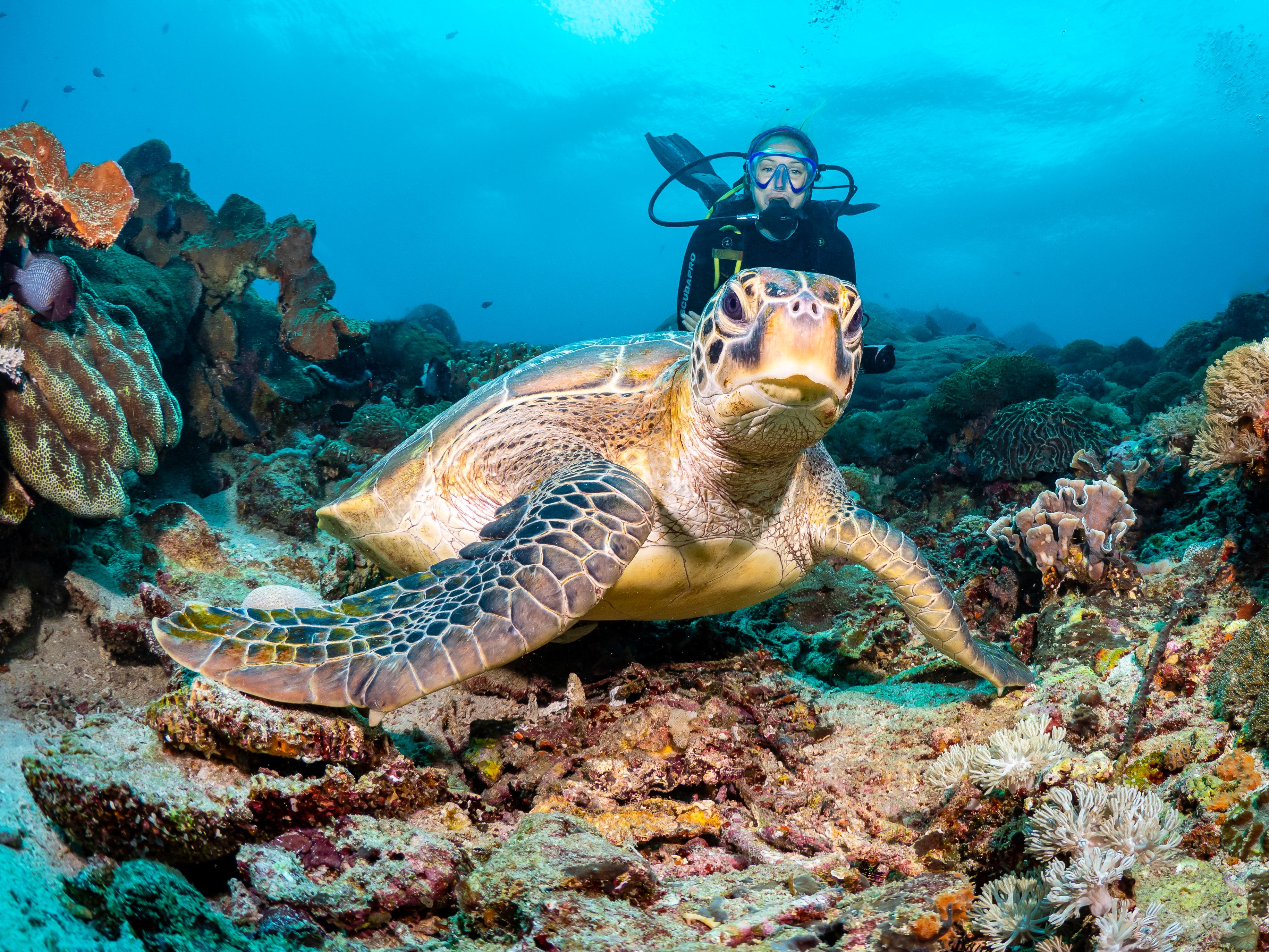
Day two moves to open water. You descend the slope toward the Liberty's stern, now encrusted with barrel sponges and patrolled by batfish. At eighteen metres you pause at the cargo hold, practise neutral buoyancy beside the hull, and photograph a lionfish sheltering in the wreckage. The instructor logs your dive time—thirty-two minutes—and you surface along the anchor line, equalising every few metres. By the third day you complete your certification dives independently, navigating between the wreck and reef without direct supervision, your logbook signed and your card issued before you leave the beach.

Diving Courses in Bali
Everything You Need to Know

Your complete Diving Courses in Bali guide

All the details about your upcoming adventure in one place

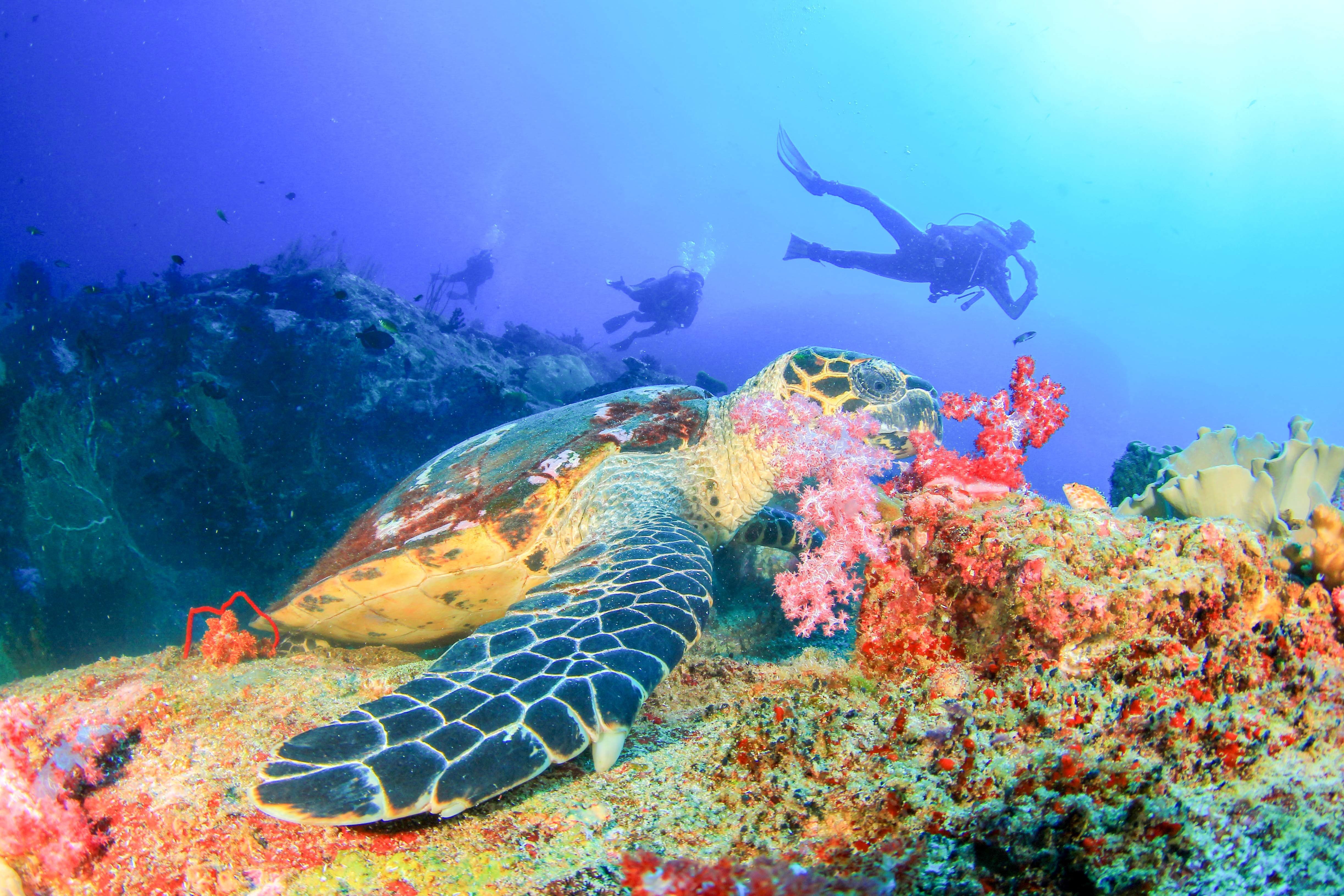
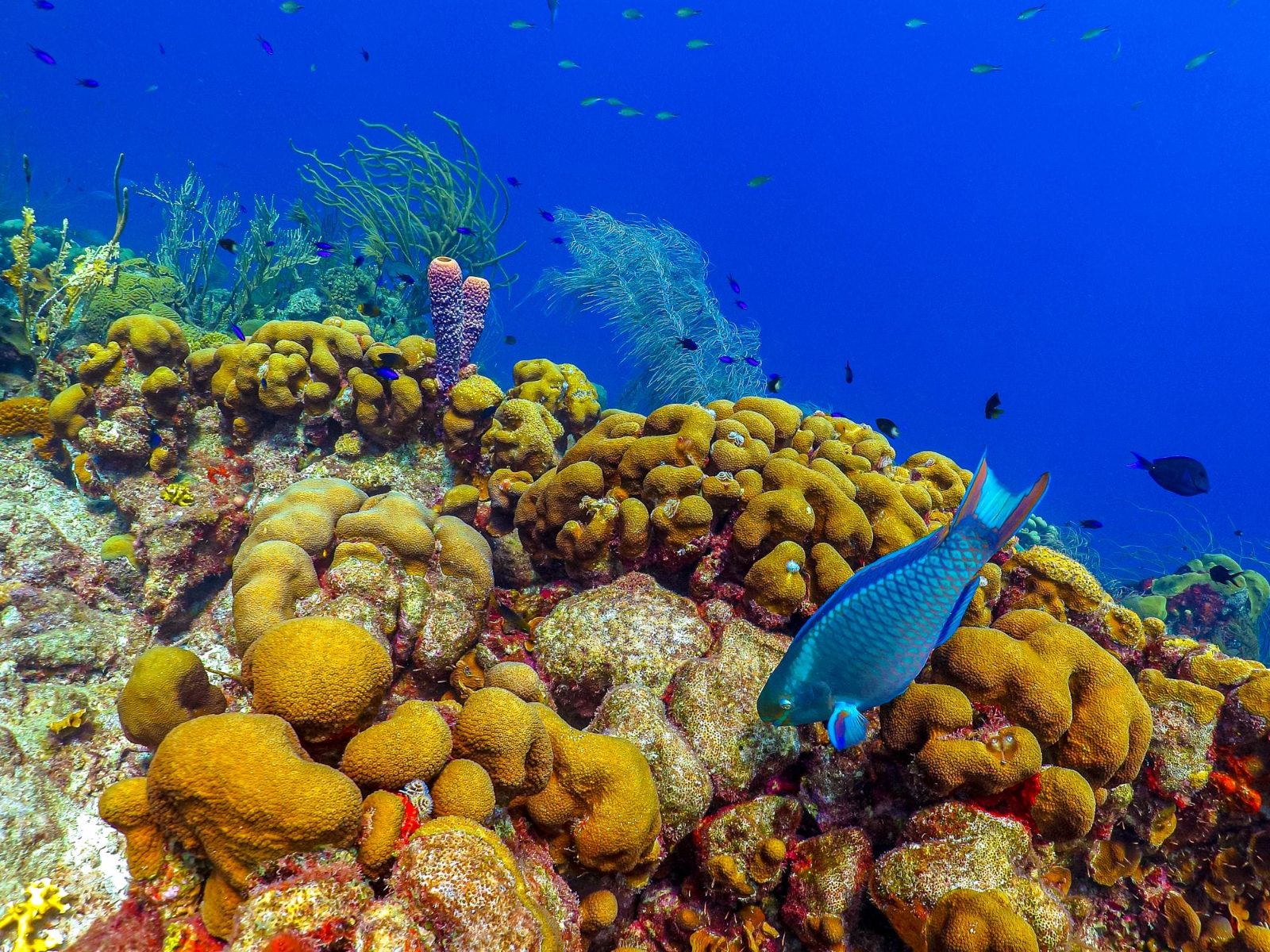
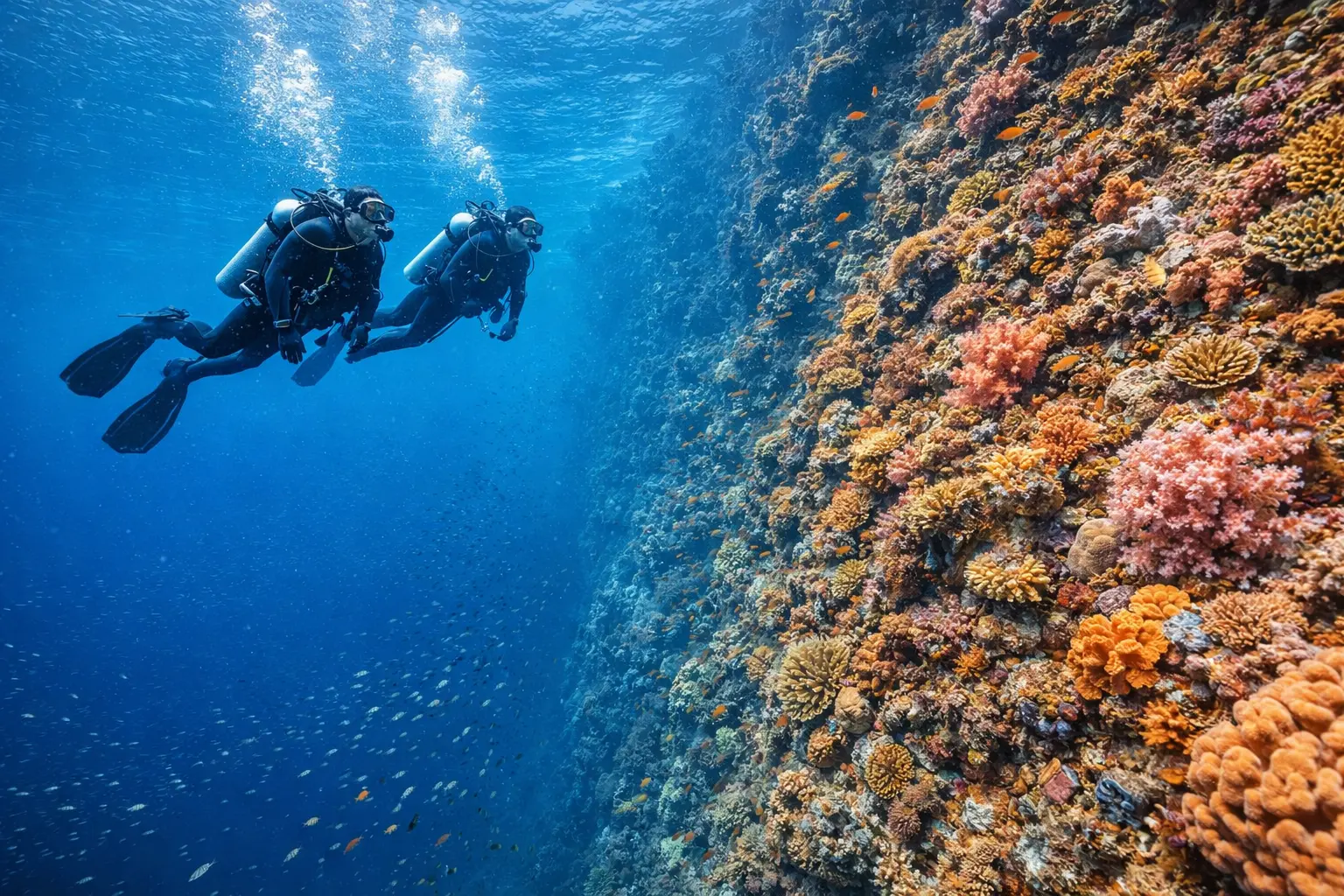
Bali's volcanic topography extends beneath the Bali Sea, creating drop-offs and thermoclines that shelter over four hundred coral species and pelagic corridors used by mola mola during upwelling season.

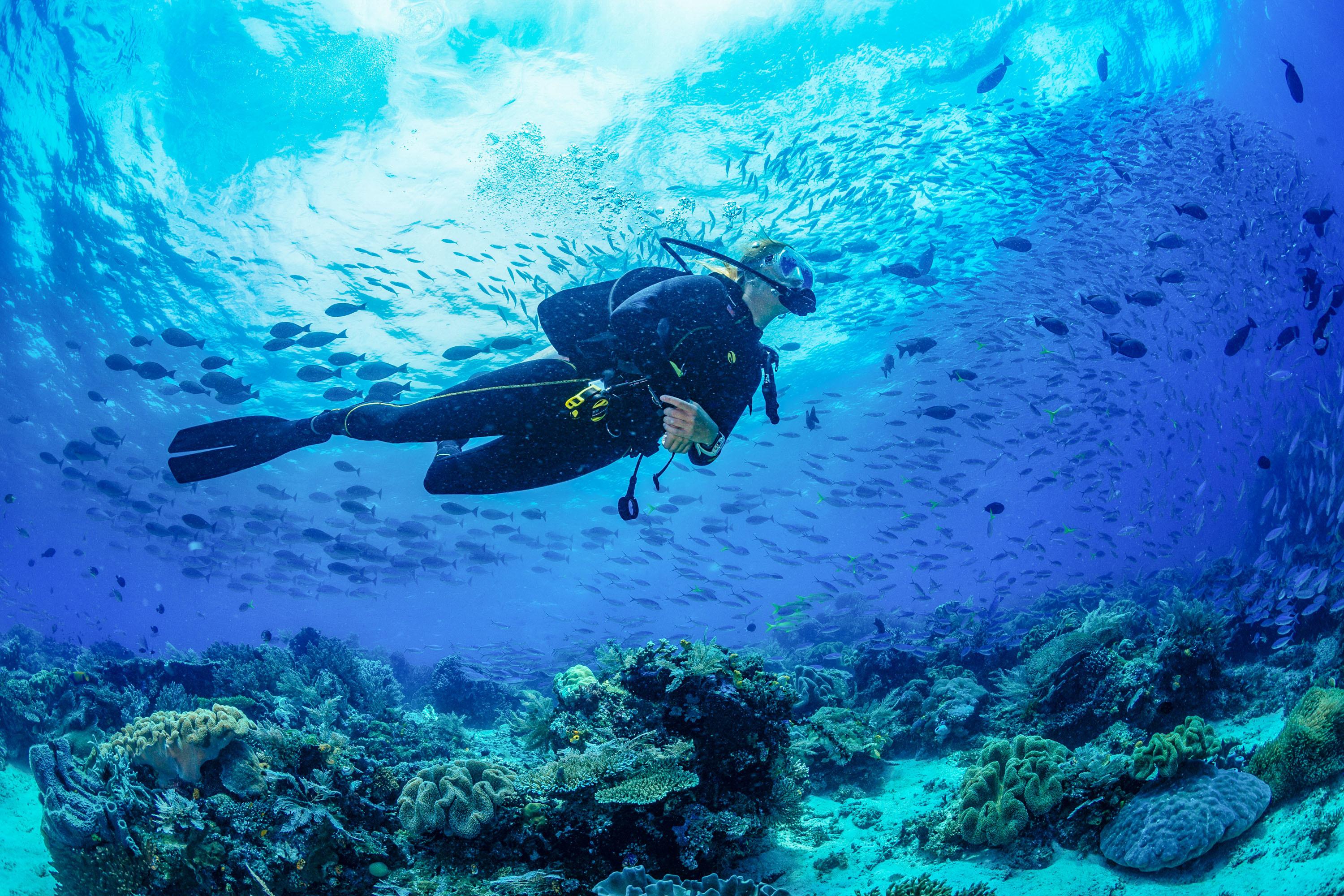
The island's position along the Indonesian Throughflow—a conveyor of nutrient-rich water connecting the Pacific and Indian oceans—sustains visibility that regularly exceeds twenty-five metres at sites like Tulamben and Amed, conditions that make diving courses in Bali particularly effective for mastering buoyancy control and navigation in open water.

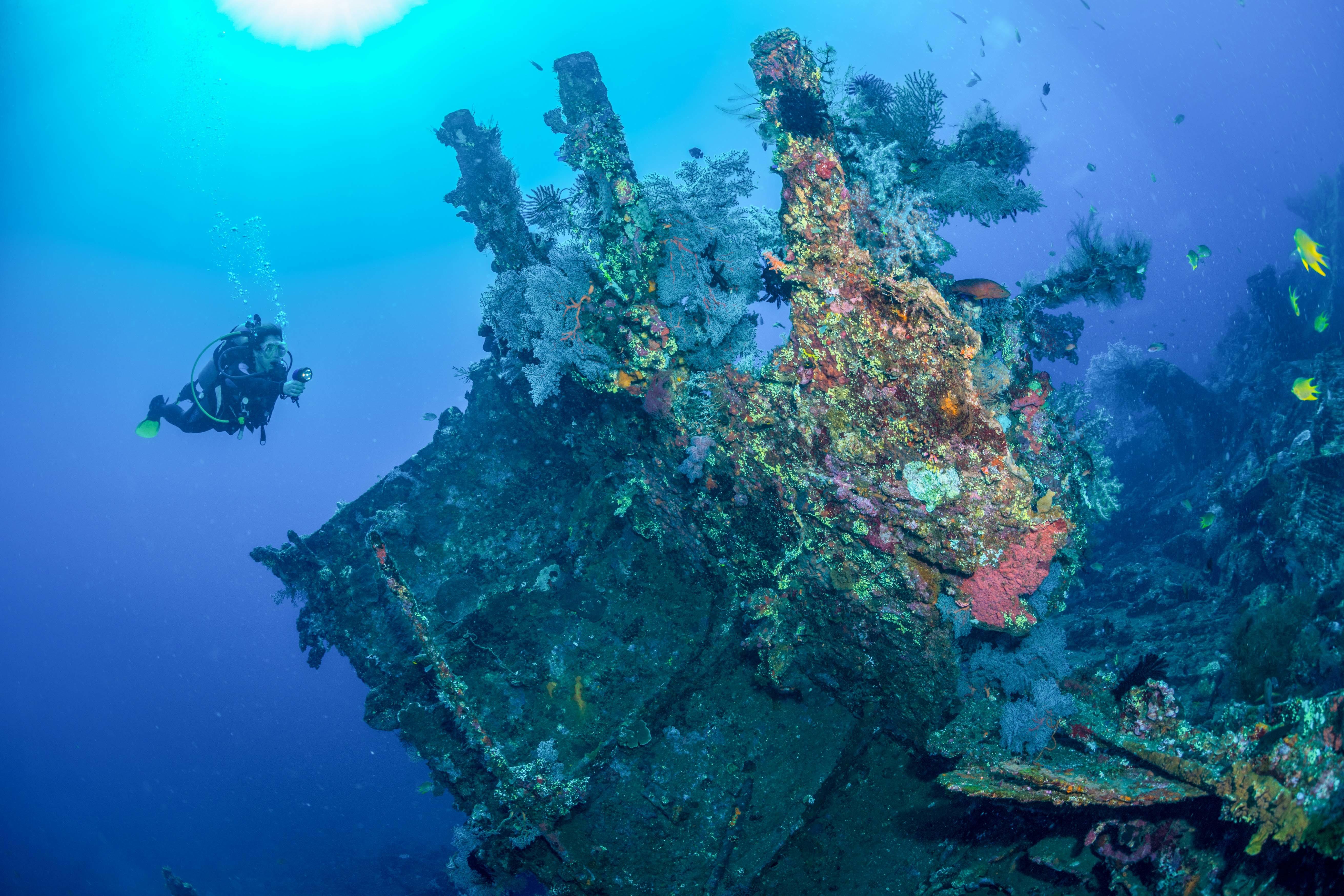
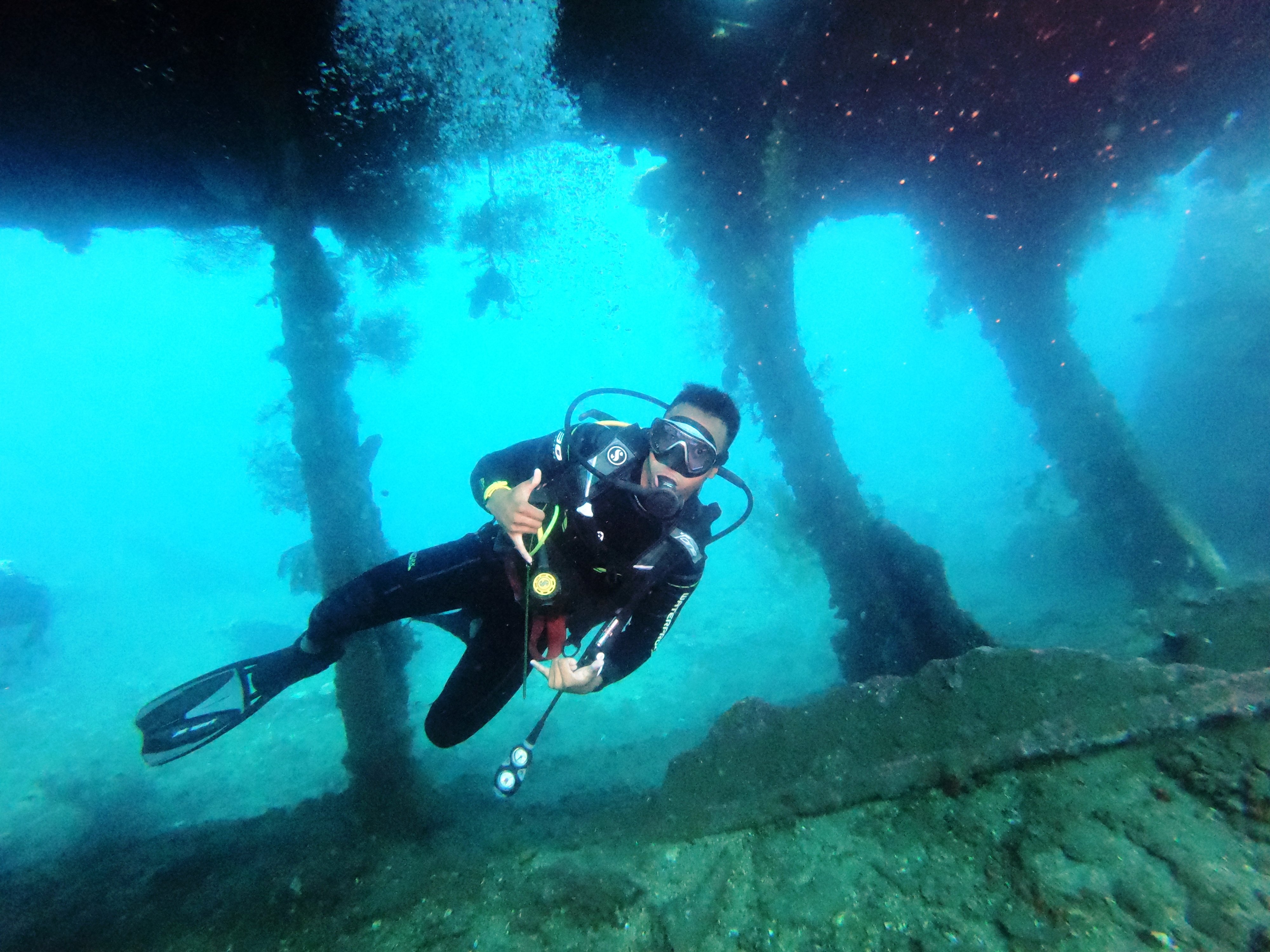
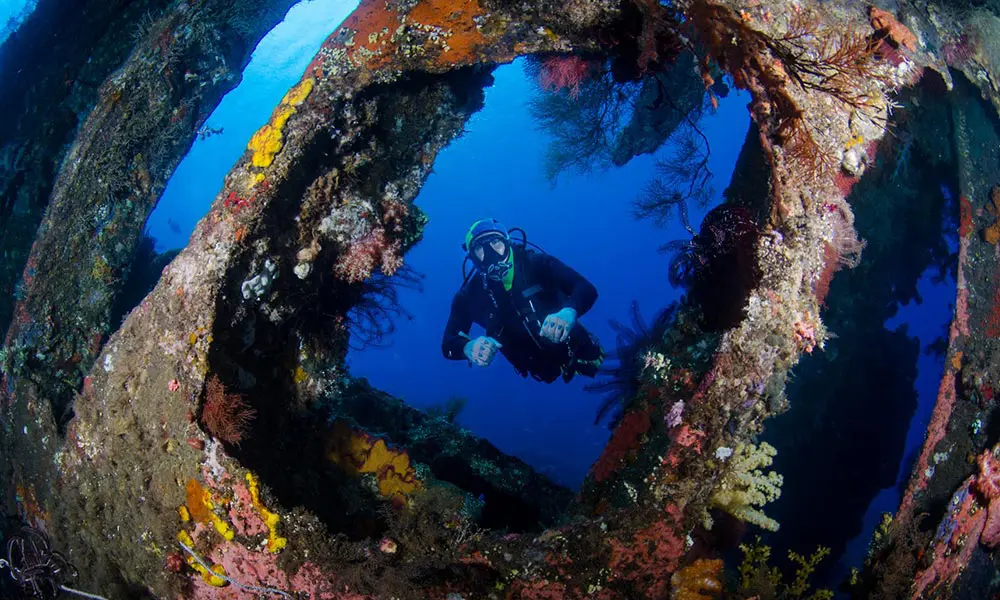
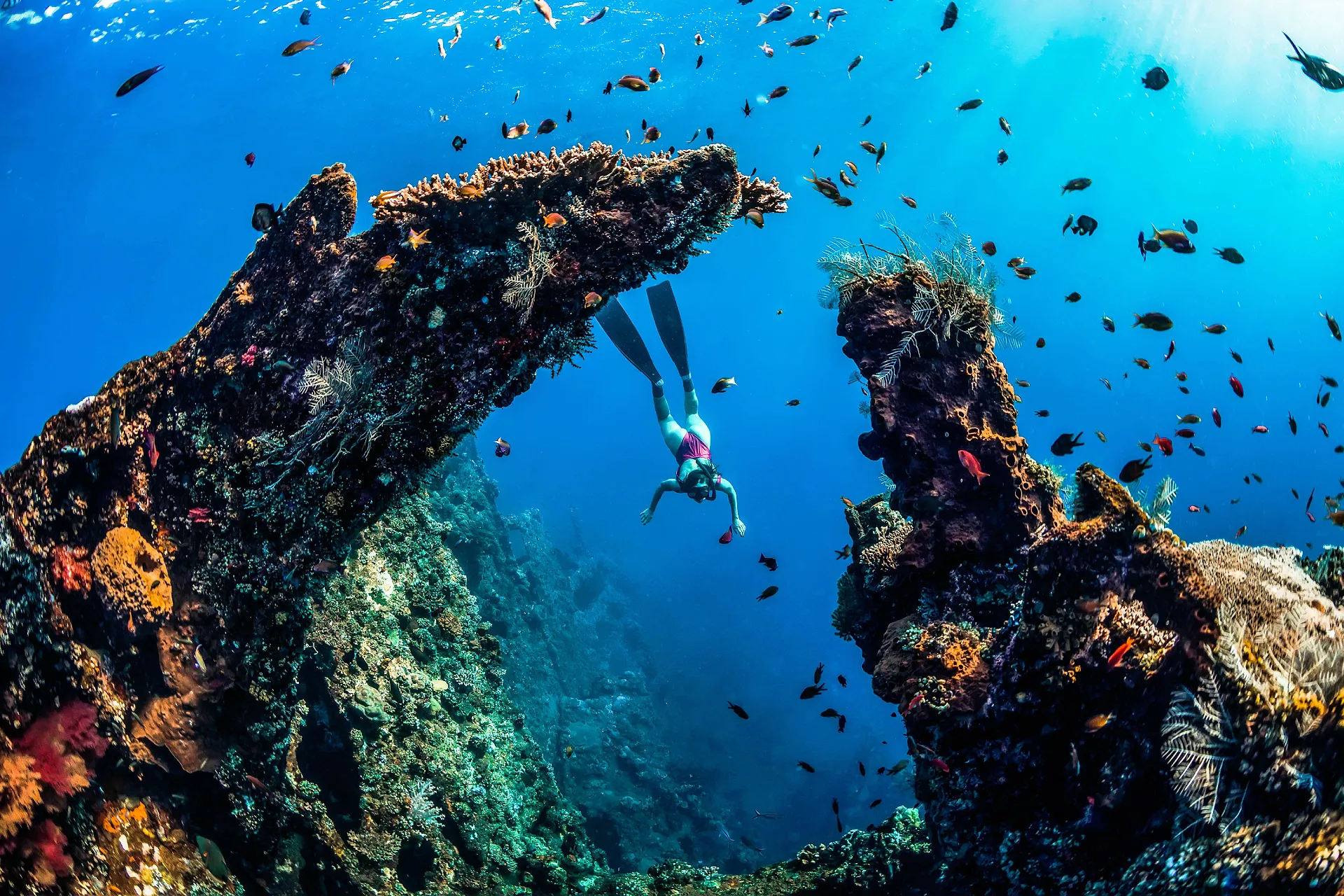
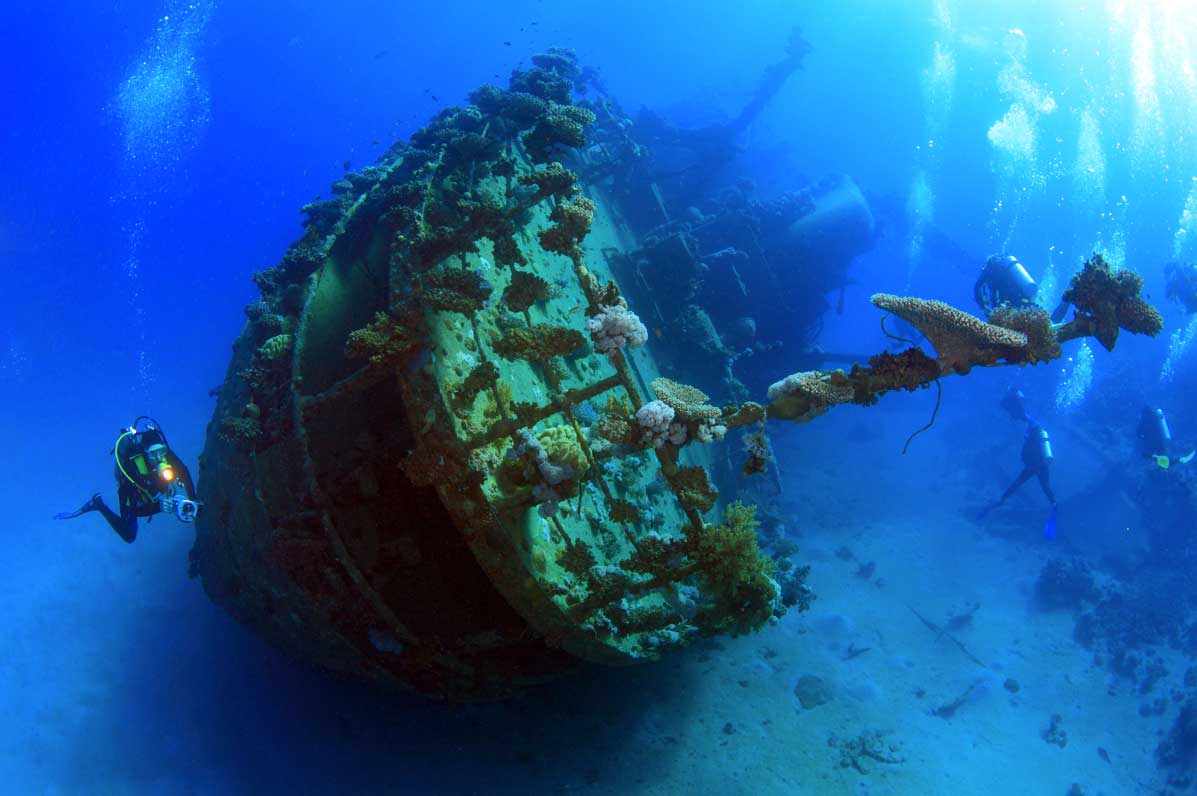
The USAT Liberty, a 120-metre United States Army cargo vessel torpedoed by a Japanese submarine in January 1942, lies in twelve to thirty metres of water off Tulamben's black sand shore. The wreck's colonisation by soft corals, gorgonians, and resident schools of bumphead parrotfish transformed it into an artificial reef structure now integral to PADI Open Water curricula. Students complete confined-water skills at Blue Lagoon's sheltered bay—a crescent of calm water where maximum depth reaches five metres—before progressing to wreck penetration exercises along the Liberty's intact hull sections. Instructors use the vessel's cargo holds and engine room as reference points for compass navigation drills.

Bali's scuba infrastructure consolidated in the late 1980s, when Tulamben's fishing village began hosting dive operators drawn by the Liberty's accessibility. Today the bay supports daily certification courses, with morning slots reserved for Open Water students to capitalise on glassy surface conditions and thermocline stability before midday wind chop develops. Three-day PADI certifications follow a schedule of theory sessions, pool or Blue Lagoon confined dives, and four open-water dives split between Tulamben Bay and the Liberty wreck site. Introductory Discover Scuba programs condense the experience into a single morning, pairing shallow reef traverses with wreck observation dives that do not exceed twelve metres.

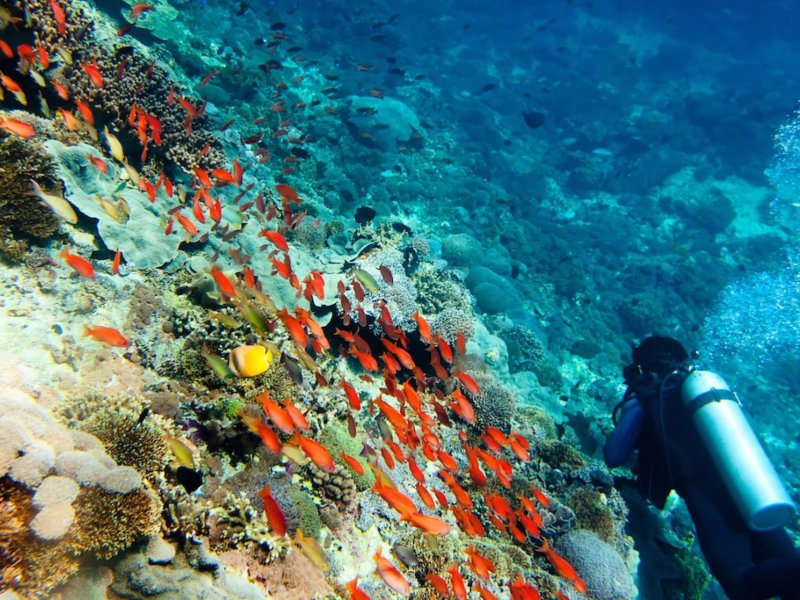
Amed's coral gardens and Sanur's seagrass beds offer alternative environments for students requiring calmer entry points or photographers seeking macro subjects like pygmy seahorses and ghost pipefishes. Operators schedule Bali diving courses year-round, though April through November delivers the driest weather and warmest water temperatures, which hover near twenty-eight degrees Celsius and require only three-millimetre wetsuits for thermal comfort during extended bottom times.


The Liberty's colonisation by soft corals transformed it into an artificial reef structure now integral to PADI Open Water curricula.

Dress code

Students should wear standard swimwear under their dive gear. Rash guards are recommended for sun and thermal protection during diving courses in bali.

Bags & security

Keep valuables in waterproof dry bags or secure lockers provided by your dive center. Do not leave personal items unattended on public beaches during diving courses in bali.

Photography

Underwater cameras are permitted during sessions. Ensure your equipment is properly secured to avoid damaging marine life while participating in diving courses in bali.

Families & strollers

Minimum age requirements typically apply for junior certifications. Consult individual operators regarding supervision for minors participating in diving courses in bali.

Accessibility

Dive sites vary in accessibility from shore entry to boat entry. Please confirm physical requirements with your center for specific diving courses in bali.

Food & drink

Bring sufficient hydration to prevent dehydration during long sessions. Avoid heavy meals immediately before in-water instruction for diving courses in bali.

Not allowed

× Spearguns × Chemical sunscreen × Alcohol × Sharp knives × Drones without permit × Illegal substances × Amplifiers × Heavy jewelry × Flammable materials × Non-biodegradable trash

What to bring

✓ Swimwear ✓ Towel ✓ Sunscreen ✓ Certification card ✓ Logbook ✓ Water bottle ✓ Dry clothes

Opening hours

Mon 08:00–18:00
Tue 08:00–18:00
Wed 08:00–18:00
Thu 08:00–18:00
Fri 08:00–18:00
Sat 08:00–18:00
Sun 08:00–18:00

How to get there

At a glance

Opening Hours

08:00–18:00

Address

Various locations including Tulamben, Amed, and Sanur, Bali

Accessibility

Varies by dive center facilities

Best arrival

08:00–10:00

Service Area

Coastal sites across Bali

Getting there

Car · Taxi · Use local ride-hailing apps for travel between tourist hubs.

Private transfer is the most reliable way to reach remote dive sites.

Cancellation policy

Cancellations must be requested according to the specific operator policy. No entry fee for general coastal access; fees apply only to specific dive courses.

Plan your time

Planning Your Daily Schedule for Diving Courses in Bali

Recommended time

Half day to full day

Most diving courses in bali require a commitment of several days for certification, with daily instruction typically spanning half a day. We recommend arriving during the 08:00–10:00 window to secure optimal visibility and calmer surface conditions before training intensity increases. If you are participating in diving courses in bali tours, expect localized congestion near popular entry points like Tulamben or Amed as the morning progresses. Those seeking diving courses in bali tickets for specialized programs should manage their schedule around these peak training hours to ensure sufficient bottom time and equipment preparation.

Crowd levels through the day

08:00–10:00 Light
10:00–12:00 Moderate
12:00–15:00 Heavy
15:00–18:00 Moderate
Plan ahead

Best time to visit Diving Courses in Bali

Weather · crowds · average price — dots go green to amber to red as each metric rises.

April–June

Excellent visibility and calm seas for beginner training sessions.

Insider tips

Helpful tips for visiting Diving Courses in Bali

Check gear early

Inspect all equipment before entering the water for diving courses in bali sessions.

Where to meet

Diving Courses in Bali meeting points

Tulamben Dive Center

Tulamben, Bali

Confirm specific shop location upon booking.

Get directions

Amed Dive Office

Amed, Bali

Located near primary boat launch areas.

Get directions

Sanur Harbor

Sanur, Bali

Common departure point for island dive excursions.

Get directions
The story

The history of Diving Courses in Bali

Bali's transformation into a diving education hub began in the early 1970s when European and Australian expatriates established the island's first recreational dive centers in Sanur. These pioneers recognized that Bali's calm bays and accessible reefs offered ideal conditions for novice instruction, a sharp contrast to the advanced drift diving that dominated Indonesia's eastern archipelagos. By 1975, the wreck of the USAT Liberty in Tulamben had been rediscovered by local fishermen and quickly became the cornerstone site for open-water certification dives, offering students a dramatic introduction to marine archaeology within shallow, protected waters. The professionalization of diving courses in Bali accelerated through the 1980s as PADI and SSI opened regional training facilities in Denpasar, standardizing curricula that had previously varied wildly between operators. The 1991 Mount Agung eruption temporarily displaced instruction from the northeast coast, forcing schools to expand into Amed and Nusa Penida, inadvertently diversifying the island's training geography. This period also saw the rise of budget certification packages targeting backpackers, a model that remains controversial among instructors who argue it prioritizes volume over skill retention. By the early 2000s, Bali was certifying over 30,000 divers annually, making it Southeast Asia's largest training ground. The 2002 Kuta bombings caused a brief enrollment collapse, but recovery was swift as dive schools marketed Bali as a safer alternative to Thailand's increasingly crowded training centers. Today, the island's dive course infrastructure spans from luxury resort programs in Nusa Dua to bare-bones operations in Amed, with Tulamben's Liberty wreck still anchoring most open-water certification sequences. Environmental pressures—particularly reef degradation from student contact—have prompted newer programs to emphasize buoyancy control and no-touch protocols from the first confined-water session.

Early 1970s

European and Australian expatriates open Bali's first recreational dive centers in Sanur, targeting beginner instruction.

1975

USAT Liberty wreck in Tulamben rediscovered, becomes primary site for open-water certification dives.

1980s

PADI and SSI establish regional training facilities in Denpasar, standardizing dive course curricula across operators.

1991

Mount Agung eruption displaces northeast coast operations, prompting expansion into Amed and Nusa Penida training sites.

Early 2000s

Bali certifies over 30,000 divers annually, emerging as Southeast Asia's largest dive training destination.

2002

Kuta bombings cause temporary enrollment decline, followed by marketing pivot positioning Bali as safer alternative to Thailand.

2010s–present

Environmental concerns over reef contact prompt curriculum reforms emphasizing buoyancy control and no-touch diving protocols.

Photo spots

Best photo spots at Diving Courses in Bali

USAT Liberty Shipwreck

USAT Liberty Shipwreck

Best light · 08:00–10:00

Stand on the pebble shore to frame the shallow wreckage visible beneath the clear surface during diving courses in bali.

Gallery

Moments from Diving Courses in Bali

With kids

Family Logistics for Diving Courses in Bali

Choosing diving courses in bali allows families to explore underwater ecosystems through structured certification programs designed for various skill levels. Engaging in these diving courses in bali tours provides a safe environment for younger participants to learn proper buoyancy and gear handling.

Age Requirements

Most introductory programs for children begin at age 8 for pool-based experiences, while junior open water certification typically requires a minimum age of 10. Confirm specific age limits with your instructor before finalizing your diving courses in bali tickets.

Physical Readiness

Participants should demonstrate basic swimming proficiency and comfort in the water before beginning their training. Ensure family members are prepared for physical exertion, as wearing tanks and fins requires moderate stamina.

Best Arrival Window

Plan to start your sessions during the best arrival window of 08:00–10:00 to take advantage of calmer surface conditions. This schedule helps younger divers feel more secure and improves underwater clarity during their initial skills practice.

Course Locations

Training takes place at various locations including Tulamben, Amed, and Sanur, Bali, each offering different sea conditions. Consider selecting a location that matches your family's travel itinerary and comfort level with ocean currents.

Booking Logistics

Entrance fee is 0 IDR as there is no entry fee for general coastal access, though fees apply only to specific dive courses. Use our diving courses in bali tour options to secure certified instruction and equipment rental for your group.

Food & drink

Dining Near Popular Diving Courses in Bali Locations

Finding quality meals after finishing your diving courses in Bali is easy, as both Tulamben and Amed feature vibrant coastal hubs perfect for refueling. Most dive centers are located within a short walk of local warungs and beachside cafes that cater specifically to the post-underwater appetite.

Liberty Dive Resort Restaurant

$$

Bistro — 1 min walk

Located right on the shore in Tulamben, this spot is ideal for a post-dive meal while reviewing your buoyancy control notes. Order the fresh grilled fish or Nasi Goreng after your morning session.;Blue Earth Village

FAQ

Diving Courses in Bali — frequently asked questions

Everything you need to know for your journey

Around the corner

More to see near Diving Courses in Bali

USAT Liberty Wreck

USAT Liberty Wreck

0 min

landmark

Iconic shipwreck dive site located directly off the shore.

Where to stay

Where to stay near Diving Courses in Bali

Tulamben Resort

Tulamben Resort

mid-range

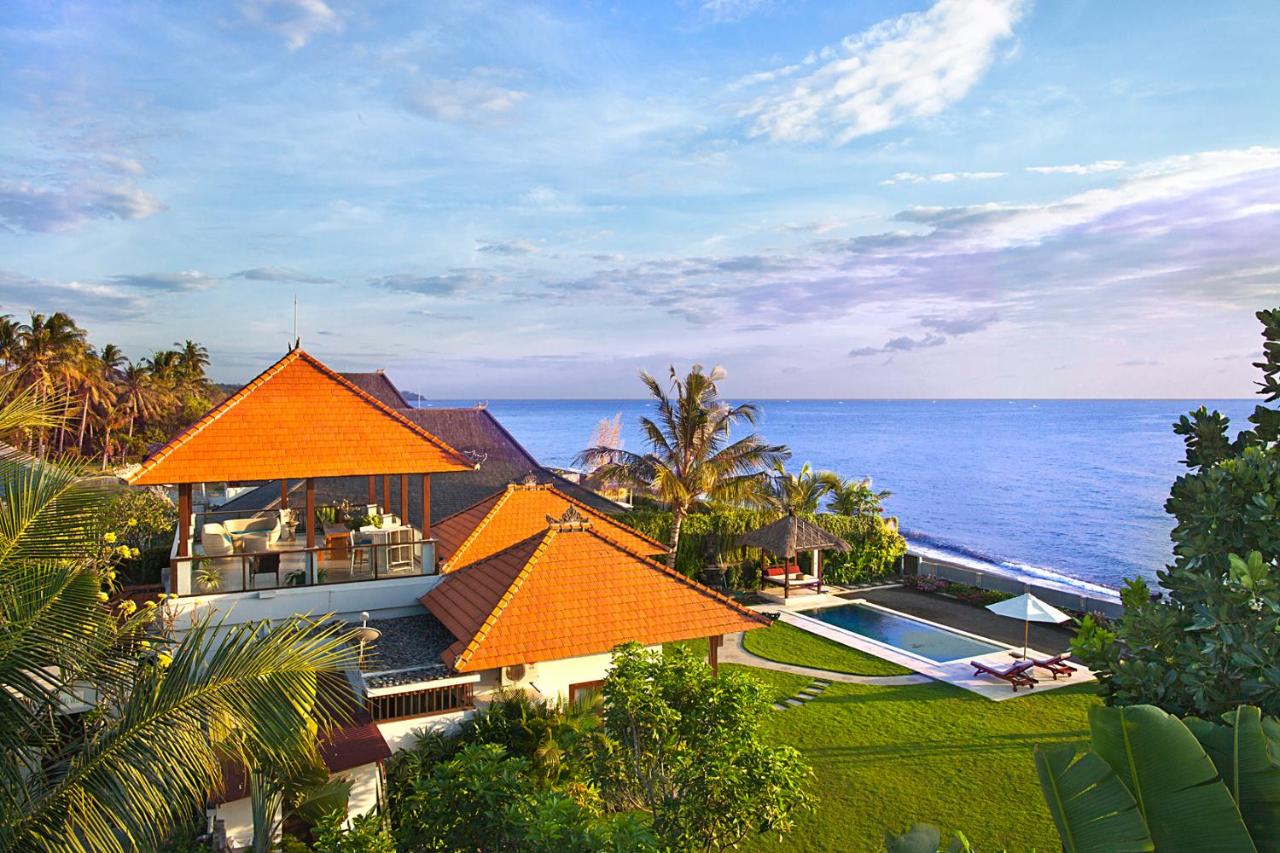
Beachfront lodging steps from dive entries.

Ready for Adventure?

Join thousands of happy travelers who have discovered this incredible experience

Book Your Experience Now